

Our Legal Blog

Your Resource For Legal Information

Statue of Lady Justice with scales, books, and gavel on a wooden table.
By Herhusky Law Office, PLLC December 1, 2025
Applying for lawful permanent residence is a significant step toward building your future in the United States, but the process isn’t the same for everyone. The two main options—adjustment of status and consular processing—offer distinct routes depending on whether you’re already in the country or living abroad. Each path comes with its own rules, forms, and timing requirements, and choosing the wrong one can lead to costly delays. Understanding how these options differ is key to setting realistic expectations and keeping your plans on track. Our attorneys at Herhusky Law Office, PLLC, help people in North Carolina understand the two main paths to permanent residence. We proudly serve Raleigh, North Carolina, and the surrounding areas of Durham, Greensboro, Fayetteville, Charlotte, Wilson, Wilmington, and beyond. Contact us today to schedule a consultation. Adjustment of Status in the United States Adjustment of status allows certain applicants to apply for a green card from within the country without having to travel abroad for an interview. You file with the government while remaining in North Carolina, attend biometrics, and later appear for a local interview if required. Many applicants value the ability to keep living, studying, and working in the same place while the case moves. A significant advantage of adjustment of status is the option to request work authorization and advance parole travel documents while the green card is pending. That can support employment and limited travel needs. Not everyone qualifies, though. Your eligibility depends on how you entered, whether you maintained status, and whether a visa number is available. Consular Processing From Outside the United States Consular processing places the interview at a U.S. consulate in your home country or country of residence. After petition approval and document collection, you attend a medical exam and an interview abroad. If approved, you enter with an immigrant visa and receive your green card after arrival. This is for applicants outside the country or those who don’t qualify for adjustment. Consular processing can move faster in some categories, especially when local consulates have shorter queues. It may also be required if your history makes an adjustment unavailable. The tradeoff is international travel and the need to remain abroad while the final steps are completed. Key Differences to Weigh Although both paths lead to the same goal, they feel different in daily life. The most important distinctions usually fall into a few practical buckets that affect family schedules and work plans: Processing location: Adjustment of status keeps you in North Carolina for biometrics and a possible local interview. Consular processing requires travel and an interview abroad before you can enter as a permanent resident. Work authorization while pending: Adjustment applicants can request a work permit during the wait, which may allow continued employment. Consular applicants generally can’t work in the United States until they enter with an immigrant visa. Travel during the process: Adjustment applicants need advance parole to travel and must return before it expires. Consular applicants travel for the interview and return only after visa issuance. Interview setting: Adjustment of status interviews are typically at a local government office. Consular interviews occur at a U.S. consulate, with procedures and scheduling set by that post. Processing time variability: Adjustment timing depends on local office backlogs and case type. Consular timing depends on the National Visa Center, medical exam availability, and consular appointment slots. When you line up these differences with your personal timeline, the better path often becomes clearer. Think about school calendars, work contracts, medical needs, and travel plans, since those realities drive what’s practical. Eligibility Checks for Each Path Before filing, it’s smart to confirm that you qualify for the route you prefer. A few early questions can prevent painful midstream changes and added costs: Current immigration status: Some categories allow adjustment even after a status lapse, while others don’t. Your last entry, visa type, and any overstays can affect eligibility. Bars and waivers: Past entries without inspection, unlawful presence, or certain criminal issues may create bars that require waivers. The availability of a waiver can steer you toward one route. Immediate relatives and priority dates: Spouses, parents, and unmarried children of U.S. citizens often face fewer quota backlogs. Preference categories depend on visa bulletin dates that control when you can file. Petition type and sponsorship: Family, employment, and humanitarian cases follow different rules. Sponsorship strength and financial documentation can shape which process fits better. History of misrepresentation: Prior statements on visa applications or at the border may trigger additional review. Knowing this early helps plan for evidence and interview questions. After you review these points, you’ll have a working picture of what’s possible. That foundation keeps you from wasting time on a path that doesn’t match your history. Timing Travel and Work Authorization Adjustment often appeals to people who want continuity. You can live in North Carolina during the process, request a work permit, and apply for advance parole if travel is necessary. The work permit won’t arrive overnight, so planning for a gap is wise. School schedules and caregiving needs often tip the scale toward staying put while the case moves. Consular processing can make sense if you’re already abroad or if your record makes adjustment tough. You’ll need to plan for the medical exam, gather documents, and appear for the interview. Some consulates schedule quickly. Others take longer, which affects return dates and employment plans. Common Pitfalls and Practical Tips Many delays come from avoidable filing issues. A few careful steps early can help you keep momentum and reduce stress while you wait: Entry and status documentation: Keep copies of all I-94 records, visas, and prior approvals so you can show lawful entry or eligibility for exceptions. Missing records can slow the case. Medical exam timing: Check current rules on when to complete the medical exam. Submitting it too early or too late can cause a request for evidence or an interview delay. Work and travel planning: Don’t assume you can travel or start a new job right away. Map out when a work permit or visa will likely arrive and plan backup coverage at work or home. Address updates and mail tracking: Government notices go to the last address on file. Set mail forwarding and track notices so you don’t miss biometrics or interview letters. Consular country logistics: For consular cases, confirm passport validity, local police certificates, and appointment booking procedures. Small local rules can cause big delays if overlooked. If you treat the process like a project with milestones, you’ll spot issues before they become roadblocks. A tidy file and a realistic calendar go a long way. Costs, Risks, and Case Strategy Both paths involve filing fees, medical exam costs, and time away from work or school. Adjustment may carry added costs for work and travel documents, while consular processing may require international travel and lodging. Comparing totals on the front end helps you prepare rather than react. Risk tolerance also matters. Some people prefer to remain local during review, especially when a child is in school or a job is settling in. Others value a single trip abroad to finish the process. Think about the quality of your evidence, the clarity of your eligibility, and whether any waivers are needed. The route that best matches those facts is usually the safer choice. Trusted Legal Guidance If you’d like a tailored plan that fits your life, reach out for a consultation so we can get you moving toward permanent residence with confidence. Herhusky Law Office, PLLC, can review your goals, history, and timing to help you choose between adjustment of status and consular processing. We’re based in Raleigh, North Carolina, and proudly serve clients here and in surrounding areas, including Durham, Greensboro, Fayetteville, Charlotte, Wilson, Wilmington, and beyond. Give us a call today to get started with a consultation. 

Girl on couch using phone, boy looking over her shoulder, both focused.
By Herhusky Law Office, PLLC November 1, 2025
Family means more than blood ties—it’s about love, commitment, and shared lives. For many families, that includes stepchildren who are cherished as their own. When immigration law comes into play, however, families often face uncertainty about whether stepchildren can be sponsored for lawful permanent residence through the family immigration process. The emotional weight of this question can be heavy, especially when separation affects a child’s stability and well-being. Parents want to bring their loved ones together under one roof without unnecessary legal barriers standing in the way. At Herhusky Law Office, PLLC, we know how important family unity is to our clients. Located in Raleigh, North Carolina, our firm works with families throughout the state, including Durham, Greensboro, Fayetteville, Charlotte, Wilson, Wilmington, and the greater North Carolina area, helping them understand their rights and options under U.S. immigration law. If you're wondering if stepchildren can be sponsored through family immigration, the answer depends on several legal factors—but help is available. Contact us today to discuss your family’s goals and explore the best path to bring your loved ones together. Defining the Legal Relationship Between Stepparents and Stepchildren The United States Citizenship and Immigration Services (USCIS) recognizes certain family relationships for immigration purposes, but not every bond qualifies. When it comes to stepchildren, the law provides a specific path—but only if the relationship meets key requirements. Under U.S. immigration law, a stepparent-stepchild relationship is recognized only if the marriage between the biological parent and stepparent took place before the child’s 18th birthday. This means that timing is critical. Even if a strong relationship exists between a stepparent and stepchild, USCIS won’t acknowledge it for immigration sponsorship unless this condition is met. If this requirement is satisfied, a U.S. citizen or lawful permanent resident may petition for their stepchild just as they would for a biological child. However, additional documentation is often needed to prove the relationship and the legitimacy of the marriage that created it. This legal foundation is the starting point for any successful family immigration petition involving stepchildren. Eligibility for Sponsorship Through Family Immigration Once a valid stepparent-stepchild relationship is established, the next step is determining eligibility for sponsorship. The U.S. immigration system categorizes sponsorship options based on the petitioner’s immigration status and the child’s circumstances, which is a key part of the family immigration process. Eligible petitioners include: U.S. citizens: They can sponsor unmarried stepchildren under 21 as “immediate relatives,” offering a direct path to a green card with minimal waiting times. Lawful permanent residents (green card holders): They can file for their unmarried stepchildren, but these petitions fall under the “family preference” categories, which may involve waiting for a visa to become available. It’s also important to consider the stepchild’s current location. If the child is already in the United States legally, they may apply for adjustment of status. If they’re outside the country, they’ll typically go through consular processing at a U.S. embassy or consulate. While these are the basic routes, the details of each case depend on factors like the child’s age, marital status, and country of residence. Families often benefit from legal support to avoid mistakes or missing documentation that could delay the processing of their case. Proving a Genuine Family Relationship USCIS places strong emphasis on verifying that every claimed relationship is genuine. This is especially important in stepfamily cases, where authorities scrutinize the authenticity of the marriage that created the stepparent-stepchild bond. To demonstrate a bona fide relationship, petitioners should be prepared to provide several types of evidence. Typical forms of proof include: Marriage certificate: Showing that the marriage between the biological parent and stepparent occurred before the child’s 18th birthday. Birth certificate: Establishing the child’s biological connection to the petitioning parent’s spouse. Joint documents: Such as leases, tax returns, photos, or correspondence showing an ongoing relationship between the stepparent and stepchild. Affidavits: Statements from family, friends, or community members who can attest to the authenticity of the family bond. While these documents can strengthen a case, every family’s situation is unique. Some may have limited documentation due to life circumstances, international moves, or other challenges. In such situations, presenting a well-organized and honest application becomes even more important. Clear, credible evidence of a genuine family relationship boosts USCIS approval chances. Families should collect all relevant records early to streamline the process. Filing the Immigration Petition Once eligibility is confirmed and the necessary documentation is gathered, the sponsoring parent must file Form I-130 (Petition for Alien Relative) with the USCIS. This form establishes the legal relationship between the petitioner and the child and is a critical step in the family immigration process. After filing, USCIS will review the petition to confirm that the relationship meets the requirements under immigration law. If the petition is approved, the next steps depend on whether the child is applying from inside or outside the United States. If the stepchild is in the U.S.: They may apply for adjustment of status using Form I-485. They’ll remain in the country while their case is processed, provided they maintain legal status. If the stepchild is abroad: The case is forwarded to the National Visa Center (NVC). The child will go through consular processing in their home country. Both processes involve submitting additional forms, paying fees, and providing supporting documents, and ultimately attending an interview. While it may seem like a long process, many families find peace of mind knowing their petition is progressing through official channels. Taking care to prepare accurate, complete paperwork from the start can save months of delay or requests for additional evidence. Common Challenges Families Face Even when all legal requirements are met, immigration petitions involving stepchildren can encounter unexpected obstacles. Awareness of these potential issues helps families prepare for them in advance and avoid delays in the family immigration process. Frequent challenges include: Marriage timing: If the marriage occurred after the child turned 18, USCIS won’t recognize the stepparent relationship. Documentation gaps: Missing or incomplete records can lead to requests for more evidence or even denial. Previous immigration violations: Overstays or unlawful entries can complicate a stepchild’s eligibility for adjustment of status. Age-out situations: Children approaching age 21 may lose their “child” status under immigration law, potentially requiring different petition options. When these situations arise, legal guidance can help families explore available solutions, such as the Child Status Protection Act (CSPA), which may allow some children to retain eligibility even after turning 21. Despite the hurdles, many stepfamilies successfully achieve sponsorship and reunification. With patience and preparation, it’s possible to overcome most of the barriers along the way. Exceptional Circumstances That May Affect Sponsorship Some stepchildren’s cases involve additional circumstances that influence how immigration authorities assess eligibility. While not every family will face these, they’re important to consider. Examples of special situations include: Previous adoptions: If the child was legally adopted, the process differs from stepchild sponsorship and requires specific legal criteria to be met. Deceased biological parents: If the biological parent who married the stepparent has passed away, the stepparent may still petition under certain conditions. Divorces and remarriages: If the marriage that created the step-relationship ends, the immigration case may be affected depending on when the divorce occurs. Military service: U.S. citizen service members may be eligible for expedited immigration processing for their family members. Each of these scenarios brings its own set of legal questions. Families should review them carefully before filing to prevent misunderstandings or delays. Ultimately, the goal is to demonstrate that the family relationship endures in good faith, even when circumstances change. Timeframes and Processing Expectations Processing times for family immigration petitions vary depending on several factors, including USCIS workload, the petitioner’s status, and whether the child is applying domestically or abroad. Typical timeframes include: Immediate relatives of U.S. citizens: Often processed faster since there’s no annual visa cap. Family preference cases: May take longer due to visa number limits in each category. In both cases, families should plan for several months to over a year before final approval. Consular processing abroad can add additional time due to interview scheduling and document verification. While waiting can be challenging, it’s essential to monitor case status through USCIS online tools and respond promptly to any official correspondence. Doing so helps keep the family immigration process moving forward without unnecessary delays. Patience and organization go a long way toward reaching a successful outcome. Benefits of Successful Stepchild Sponsorship When a family immigration petition for a stepchild is approved, the benefits extend far beyond legal status. The stepchild gains lawful permanent residency, which opens doors to stability, opportunity, and a sense of belonging. Key benefits include: Family unity: Allowing children to live with their parents and siblings under one household. Educational opportunities: Green card holders can attend schools and universities in the U.S., often with more affordable tuition rates. Employment authorization: Older children may obtain work permits once they meet eligibility requirements. Pathway to citizenship: Lawful permanent residency is the first step toward eventual U.S. citizenship. These advantages contribute not only to the child’s well-being but also to the family’s shared future. Bringing loved ones together under legal protection strengthens emotional and financial stability for everyone involved. Sponsorship isn’t just about paperwork—it’s about giving families the chance to thrive together. How Legal Guidance Helps Families Succeed While it’s possible to file a petition without legal assistance, we recommend that many families choose to work with an experienced immigration lawyer to reduce stress and avoid costly errors. Filing incorrect forms or failing to submit key evidence can result in significant delays or denials. An attorney can provide valuable support in several ways: How legal support assists families: Clarifying eligibility: Determining whether a child qualifies as a stepchild under immigration law. Preparing strong applications: Gathering documents and evidence to demonstrate a genuine family relationship. Addressing complications: Managing cases involving prior immigration issues, timing challenges, or blended family structures. Representing clients during interviews: Helping families feel prepared and confident when meeting with immigration officers. Families already have enough on their minds. Having reliable legal assistance can make the process smoother and less intimidating. When the goal is reuniting loved ones, taking informed steps can make all the difference. Contact an Experienced Immigration Attorney Reuniting with your stepchild is a deeply personal goal. At Herhusky Law Office, PLLC, we help families across Raleigh, Durham, Greensboro, Fayetteville, Charlotte, Wilson, Wilmington, and the state of North Carolina undergo the family immigration process. We combine legal guidance with compassionate support to explore all available options. Contact us today to discuss your case and take the first step toward keeping your family together. 
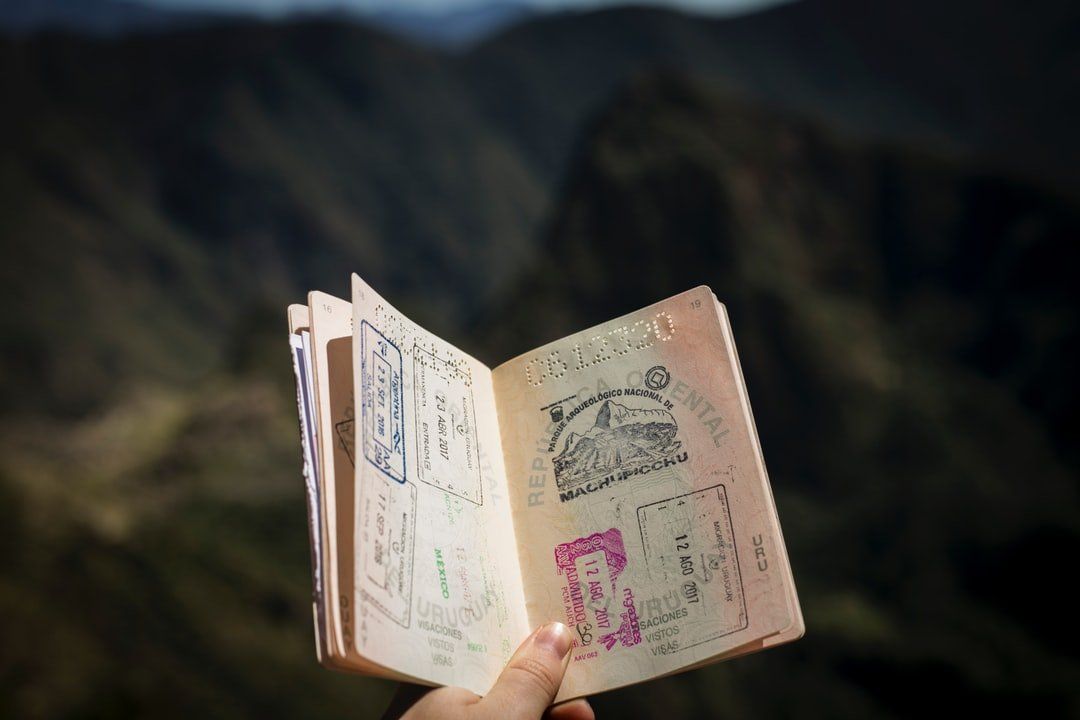
Hand holding open passport with multiple stamps, blurred mountain backdrop.
By Herhusky Law Office, PLLC October 1, 2025
Applying for a K-1 fiancé(e) visa can feel overwhelming. Many couples are filled with hope and excitement for their future together, but they often find themselves caught in frustrating delays. These hold-ups can stretch the visa process by months or longer. If you’ve already been waiting for approval, the last thing you want is to lose even more time over avoidable mistakes. At Herhusky Law Office, PLLC, we’ve worked with countless couples who face these struggles. We understand the importance of families being together without unnecessary obstacles. Located in Raleigh, North Carolina, our firm serves communities across the Raleigh area, including Raleigh, Durham, Greensboro, Fayetteville, Charlotte, Wilson, Wilmington, greater North Carolina, and beyond. We guide clients through every step of the K-1 visa process and help them sidestep common errors. If you’re preparing your application, or if you’ve hit a snag, we’re here to help you move forward with confidence. Contact us today to discuss your case with an experienced attorney. Missing Or Incomplete Documentation One of the most common reasons for delays is missing paperwork. The U.S. Citizenship and Immigration Services (USCIS) requires a wide range of documents, and even a single missing page can stop your application in its tracks. Missing or incomplete records almost always result in a Request for Evidence (RFE). Frequent missing documents include: Proof of citizenship: The U.S. petitioner must provide proof such as a birth certificate, passport, or naturalization certificate. Proof of relationship: Photos, chat records, travel receipts, and affidavits can demonstrate a genuine relationship. Completed forms: Every form must be signed and dated, with all required fields completed. Financial records: Evidence of the U.S. petitioner’s income is essential to show they can support their fiancé(e). Taking the time to review your file carefully before submitting it can prevent weeks or even months of delays. Couples who double-check their paperwork often find mistakes they didn’t realize they made. By working with legal counsel, you’ll have someone to guide you in gathering all of the documents needed the first time. Providing Incorrect Information Accuracy is critical throughout the visa process. Even minor errors can raise suspicion or prompt a request for additional information. Common mistakes include misspelling names, providing inconsistent addresses, or confusing dates. These mistakes may seem minor at first, but they can create red flags that complicate your case. For example, if your address history doesn’t match your travel records, USCIS may send a Request for Evidence (RFE). These requests can cause significant delays while you gather the missing information. Worse, if the error appears intentional, it could trigger further scrutiny. In some cases, inconsistencies can even make USCIS question the legitimacy of the relationship. Before filing, carefully review every form multiple times. Make sure all details match the supporting documents exactly. This level of precision can save you time and stress in the long run. Having another person review your application can also help you spot mistakes. Double-checking now is far easier than trying to correct errors after they’ve caused delays. Submitting Poor Quality Evidence Of The Relationship The government needs to see proof that your relationship is real. Submitting weak or limited evidence can slow down the process. Couples sometimes underestimate the level of detail USCIS expects. Stronger submissions give officers a clearer picture of your genuine commitment. Examples of strong relationship evidence include: Photos together: Include pictures from different trips, family gatherings, and special occasions. Travel records: Boarding passes, hotel receipts, and itineraries that show time spent together. Communication records: Screenshots of texts, emails, or call logs spanning your relationship. Affidavits: Letters from friends or family confirming the authenticity of your relationship. When you only provide a handful of photos or minimal communication records, USCIS may question whether your engagement is genuine. Offering thorough and varied evidence helps build a convincing case and reduces the chance of delay. By showing consistency across different types of proof, it’s much harder for USCIS to doubt the authenticity of your relationship. Failing To Meet Financial Requirements Another frequent issue isn’t providing enough proof of financial stability. The U.S. citizen petitioner must show that they meet income requirements to support their fiancé(e). Submitting incomplete financial information can result in significant delays. Without clear evidence, USCIS may doubt the petitioner’s ability to provide adequate support. Key financial documents may include: Tax returns: Recent federal tax filings. Pay stubs: Proof of current employment and income. Bank statements: Evidence of financial resources. Employment letters: Confirmation from an employer about ongoing work. When couples fail to prepare a comprehensive financial packet, they risk receiving an RFE. Partnering with legal counsel can help pinpoint the most compelling financial records to include, minimizing the likelihood of delays. Submitting multiple forms of financial proof often strengthens your application and reassures USCIS of your financial stability. Not Updating USCIS About Changes Life happens while your K-1 visa is pending. People move, switch jobs, or change phone numbers. If you don’t notify USCIS about these updates, you could miss important notices or interviews. Even small changes in your situation can affect how your case is processed. Staying organized and promptly reporting updates can prevent delays that might otherwise occur. Failing to update your contact details may result in denied applications simply because you never received a letter in the mail. Keep USCIS informed of any significant changes in your writing to make sure your application is progressing. Taking a proactive approach helps you avoid unnecessary setbacks during the visa process and keeps your case on track. Overlooking Past Immigration Or Legal Issues Any past immigration violations or criminal history must be disclosed. Some applicants try to hide these details, hoping they won’t be discovered. However, USCIS conducts thorough background checks. Failure to disclose past issues almost always leads to delays or denials. Being transparent from the beginning helps prevent complications. While past mistakes don’t automatically disqualify you, failing to address them honestly can make your case much harder. It’s better to be upfront and provide explanations or legal documentation that supports your application. Providing context for past issues demonstrates to USCIS that you’re willing to take responsibility and move forward in good faith. Ignoring Deadlines Or Requests For Evidence When USCIS sends an RFE, you have a limited timeframe to respond. Missing the deadline can result in a denial. Unfortunately, many couples misplace the letter or underestimate the time required to gather the requested documents. Staying organized and tracking deadlines carefully can prevent unnecessary delays and added stress. Always open USCIS mail immediately and take deadlines seriously. Responding quickly helps keep your application moving forward. If you’re not sure how to respond, legal counsel can guide you in preparing the strongest possible reply. Attending The Interview Unprepared The K-1 visa interview is a critical step. Both the U.S. citizen and foreign fiancé(e) must demonstrate that their relationship is genuine. Applicants who show up unprepared risk delays or denials. Being well-prepared also helps reduce anxiety and shows USCIS that your relationship is legitimate. Ways to prepare for the interview include: Reviewing your application: Make sure both partners are familiar with all submitted details. Practicing questions: Expect inquiries about your relationship history, family, and wedding plans. Bringing evidence: Carry updated photos, receipts, and communication logs. Staying calm and honest: Nervousness is natural, but honesty is essential. Couples who take time to prepare thoroughly often move through this step smoothly, avoiding the setbacks that come with additional questioning or follow-up requests. Being organized and well-rehearsed gives officers confidence in your application. Preparation also minimizes the likelihood of being asked for additional documents or explanations, which can prolong the visa process. Contact an Experienced Immigration Lawyer Today Delays in the K-1 visa process can feel devastating when you’re eager to build a life with your fiancé(e). Fortunately, most delays are avoidable with careful preparation, thorough documentation, and timely responses. By avoiding the mistakes outlined above, you’ll improve your chances of moving forward without setbacks. At Herhusky Law Office, PLLC, we serve clients throughout Raleigh, Durham, Greensboro, Fayetteville, Charlotte, Wilson, Wilmington, and the surrounding areas of North Carolina, helping them pursue their K-1 visas with care and diligence. If you’re concerned about mistakes slowing down your application, reach out to us today to get started on your K-1 visa case. 

Person signing a document at a table, another person in the background. Coffee cup and tablet present.
By Herhusky Law Office, PLLC September 15, 2025
The United States immigration process has always been complicated and time-consuming, but in 2025, applicants face new challenges and opportunities that affect processing times. Whether you’re seeking a family-based visa, an employment-based green card, or naturalization, understanding the realistic timelines is essential for proper planning. At Herhusky Law Office, PLLC, in Graham and Apex, North Carolina, we help clients manage the immigration process and develop realistic expectations of the expected timeline. We serve Raleigh, Durham, Greensboro, Fayetteville, Charlotte, Wilson, Wilmington, greater North Carolina, and beyond. Here, we’ll break down how long the process really takes in 2025 and the factors that influence it. To discuss your situation, contact our firm today. Why Immigration Timelines Vary No two immigration cases are exactly alike. Applicants are often surprised to learn that even people applying for the same type of visa can experience very different timelines. Processing times can range from a few months to several years, depending on factors such as the type of immigration benefit, the applicant’s country of origin, agency workload, and changes in policies. With these variables in mind, let’s examine the most common pathways and their estimated timelines in 2025. Understanding these differences helps applicants set realistic expectations and avoid unnecessary frustration. By looking at each pathway individually, it becomes easier to see how long immigration may take in specific circumstances. Family-Based Immigration Timelines in 2025 Family reunification remains the cornerstone of the U.S. immigration system. The timeline depends heavily on whether the applicant is considered an “immediate relative” of a U.S. citizen or falls into a family preference category. This distinction is crucial, as immediate relatives face no annual visa limits, while preference categories are subject to long waiting lists. Immediate Relatives (Spouses, Parents, and Unmarried Children Under 21) For many families, the immediate relative category offers one of the fastest ways to bring loved ones to the United States. Unlike other family-based categories, there are no annual visa limits, which significantly reduces waiting times. Still, applicants must go through multiple steps in the process, each with its own timeline, such as the following: USCIS Petition (Form I-130): Six to 12 months National Visa Center and consular processing: Six to 10 months Adjustment of status (if inside the U.S.): Eight to 14 months The total estimated time in these cases is approximately 1.5 years to 2.5 years. Immediate relatives generally enjoy faster processing because there are no numerical caps on visas for this category. However, background checks, biometrics, and interview scheduling can extend the wait, pushing the timeline beyond the average range. Family Preference Categories These categories include siblings of U.S. citizens, married adult children, and permanent residents petitioning for their spouses or children. Due to annual visa caps, many applicants face years of waiting. The length of the backlog often depends on both the applicant’s relationship to the sponsor and their country of origin: F1 (unmarried adult children of U.S. citizens): Seven to nine years F2A (spouses and children of permanent residents): Two to three years F2B (unmarried adult children of permanent residents): Six to eight years F3 (married children of U.S. citizens): 13 to 15 years F4 (siblings of U.S. citizens): 15 to 20 years, depending on the applicant’s country These long waits underscore the need for families to plan ahead. Applicants from Mexico, India, and the Philippines often experience even longer timelines due to high demand. Because of these extended delays, many families explore alternative immigration options that may provide faster pathways to lawful status. Employment-Based Immigration Timelines in 2025 Employment-based immigration is another pathway that continues to draw skilled professionals, investors, and entrepreneurs to the U.S. The timeline varies widely based on the visa type. For many applicants, understanding these variables early on is key to setting realistic expectations and planning their career transitions. Temporary Work Visas Temporary work visas are often the first step for foreign nationals seeking to work in the United States. They allow individuals to gain valuable experience, contribute their skills to the U.S. economy, and, in some cases, transition later to permanent residency. Each visa type has its own eligibility requirements and processing timeline: H-1B visa (specialty occupations): Six to 10 months, with premium processing available for 15-day adjudication. L-1 visa (intra-company transfers): Three to six months. O-1 visa (individuals with extraordinary ability): Two to five months. These temporary visas provide relatively fast entry for skilled professionals but require employer sponsorship and strict compliance. Even a small mistake in filing can result in costly delays, so working with an experienced immigration attorney is strongly recommended. Visa holders must remain mindful of expiration dates and extension requirements to avoid falling out of status. Employment-Based Green Cards Employment-based permanent residency is divided into preference categories (EB-1, EB-2, EB-3, etc.), each with different processing times. The length of time it takes to secure one depends not only on the category but also on country-specific visa backlogs and the applicant’s qualifications. Consider the following: EB-1 (priority workers): One and a half to three years, faster for applicants from countries not subject to visa retrogression EB-2 (advanced degree professionals): Two to five years, but longer for applicants from India and China EB-3 (skilled workers and professionals): Four to seven years EB-5 (investor visa): Three to five years, although projects in rural or high-unemployment areas may be expedited The labor certification process (PERM), which requires employers to prove that no qualified U.S. worker is available for the position, adds significant time. In 2025, PERM processing alone can take eight to 14 months before applicants can even file for adjustment of status. Because of this, applicants are encouraged to begin the process as early as possible Refugees, Asylum, and Special Cases Humanitarian immigration cases are subject to fluctuating timelines depending on global events and U.S. policy priorities. Applicants often face uncertainty, as processing can be delayed by sudden changes in refugee quotas or asylum policies. Additionally, extensive security and background checks can add several months, or even years, to the overall timeline. Asylum Applicants seeking asylum face significant variability in processing times. Affirmative asylum cases filed directly with USCIS often have initial interviews scheduled two to five years after submission due to backlogs. Defensive asylum cases, which occur when individuals are in removal proceedings, can stretch even longer, sometimes exceeding five to seven years. Refugees Refugee resettlement programs generally take between 18 and 30 months from application to arrival in the United States. During this time, applicants undergo extensive security checks, medical screenings, and background investigations to make sure of eligibility. These steps, while necessary for safety and compliance, contribute to the length of the overall process. Special Programs Certain humanitarian parole options or Temporary Protected Status (TPS) designations can allow for faster entry into the U.S. than other immigration pathways. However, these programs often require periodic renewals and don’t automatically lead to permanent residency. Applicants must understand the limitations and plan accordingly to maintain lawful status. Factors That Can Speed Up (or Slow Down) Immigration Cases Several elements directly affect how long immigration takes in practice. Even applicants with strong cases can experience unexpected delays due to procedural requirements or external factors beyond their control. Being aware of these potential obstacles helps applicants plan more effectively and manage their expectations. Consider the following: Request for evidence (RFE): If USCIS requires more documentation, applicants may face delays of three to six months or more. Country of chargeability: Applicants from high-demand countries face longer visa bulletin backlogs. Administrative processing: Security checks can add months or even years, particularly for applicants with common names or from regions flagged for national security concerns. Policy shifts: Executive orders, legislation, or updated processing guidelines may speed up or stall cases. For example, digitization efforts in 2025 are expected to streamline some forms, but initial rollouts can cause temporary slowdowns. Understanding these factors can help applicants avoid common pitfalls and stay proactive throughout the process. Working with an experienced immigration attorney is essential in 2025. To discuss your specific situation, contact Herhusky Law Office, PLLC, today. Overall, strategic planning and patience are key to managing the complications of the U.S. immigration system. By taking proactive measures, applicants can maintain control over their cases and reduce unnecessary stress. Timely action and attention to detail often result in faster processing times. Ultimately, working strategically with guidance from qualified professionals maximizes the chances of a successful outcome. Contact an Immigration Attorney Today How long does the immigration process really take in 2025? The answer depends on the type of application, the applicant’s country of origin, and the government’s processing capacity. Some visas may be approved in less than a year, while others require decades of waiting. The best course of action is to prepare thoroughly, file early, and seek professional guidance. At Herhusky Law Office, PLLC, we help clients throughout Raleigh, Durham, Greensboro, Fayetteville, Charlotte, Wilson, Wilmington, greater North Carolina, and beyond. With the right strategy and preparation, applicants can position themselves for success, even in a system as complicated and ever-changing as the one in 2025. Contact us today.
Man in suit holding a blue object at a desk, with an American flag to the side.
By Herhusky Law Office, PLLC August 20, 2025
When working through the complicated aspects of immigration law, information is power, and having a complete understanding of your personal immigration history can be vital. That’s where the Freedom of Information Act (FOIA) comes in. FOIA gives individuals the legal right to request records from federal government agencies. At Herhusky Law Office, PLLC, we help clients in Raleigh, North Carolina, and the surrounding areas with their immigration cases. Below, we’ll explore what FOIA is, how it applies to immigration matters, which agencies you can request information from, and how this can impact your case. What Is FOIA? The Freedom of Information Act, or FOIA, is a federal law enacted in 1966 that allows the public to request access to records from any federal agency. It was designed to promote transparency and accountability in government. Under FOIA, individuals can request records for any reason, including to obtain information that may affect a legal or administrative proceeding. In the context of immigration, FOIA can help individuals access documents and records that are often not readily available through other means. This may include past applications, interview notes, deportation orders, visa petitions, and communications with government agencies. Let’s explore how this may pertain to your immigration case. Why FOIA Matters in Immigration Cases Immigration law is governed by a web of statutes, policies, and administrative rules, and each case typically involves multiple government agencies. Over time, people may interact with immigration authorities in various ways, sometimes without fully understanding or remembering all the details. Having a complete immigration record can be critical when: Responding to Requests for Evidence (RFEs) Preparing for asylum or removal proceedings Applying for green cards or citizenship Reopening old immigration cases Verifying prior entries or exits Addressing alleged immigration violations A single missing document or misunderstood detail can be the difference between approval and denial. FOIA allows individuals and their attorneys to examine the full history and respond with precision. When you work with our attorneys at Herhusky Law Office, PLLC, we can help you access valuable information for your case using FOIA requests. Agencies You Can Request Records From There are several federal agencies involved in immigration matters, and each maintains its own records. Understanding which agency holds the specific documents you need is crucial for making sure your request is both accurate and effective. Here are the most common agencies people submit FOIA requests to for immigration purposes: U.S. Citizenship and Immigration Services (USCIS) USCIS is often the first stop for immigration FOIA requests. They process applications for visas, green cards, naturalization, asylum, and more. Because USCIS handles such a wide range of immigration benefits, its records can provide a comprehensive overview of your case history. Through a FOIA request, you can obtain: Copies of past applications (I-130, I-485, N-400, etc.) Notices of approval or denial Officer notes from interviews Asylum files (A-files) Accessing your USCIS records through FOIA can clarify which benefits you’ve applied for and how your case was handled. This can help identify missing documents, administrative errors, or inconsistencies that may affect future filings. A thorough review of your USCIS file can strengthen your immigration case strategy and support future applications. U.S. Immigration and Customs Enforcement (ICE) ICE is responsible for enforcing immigration laws and overseeing detention and removal operations. Because ICE maintains records of arrests, detentions, and deportation proceedings, FOIA requests here are essential in enforcement-related cases. You might request ICE records in order to do the following: Review details about an arrest, detention, or deportation Access records of bond hearings or removal proceedings Understand the reasons for ICE holds or stays of removal ICE records can offer critical information if you have a history of detention or removal. Reviewing these documents can help your attorney build a defense, challenge inaccuracies, or seek relief from removal. FOIA access to ICE records can make sure you’re not caught off guard by past enforcement actions. U.S. Customs and Border Protection (CBP) CBP oversees the nation’s borders and ports of entry. Their records are especially useful for verifying travel history, border inspections, and any issues encountered during entry attempts. This information is often critical for proving lawful entry or identifying any complications that may affect your immigration status. Records from CBP can help show: Entry and exit dates Inspection notes from border crossings Statements or declarations made to border agents Any refusals of entry or expedited removals Knowing what CBP recorded during your entries and exits can support claims for lawful presence or continuous residence. These records can also help identify any border-related issues that may affect eligibility for immigration benefits. FOIA requests to CBP are particularly helpful in cases involving waivers, DACA, or cancellation of removal. Department of State (DOS) Because visa decisions made abroad often lack detailed explanations, FOIA can uncover the reasoning behind consular refusals or delays. Accessing these records can provide valuable insight into how your application was evaluated. If your case involves a visa denial at a U.S. embassy or consulate, a FOIA request to DOS may reveal: Visa application records Consular officer notes Refusal worksheets Correspondence with embassies FOIA records from DOS can help you understand the rationale behind a visa denial or delay. This information can be essential when reapplying or pursuing a waiver. Knowing how consular officers evaluated your case allows you to correct deficiencies and prepare stronger future applications. Executive Office for Immigration Review (EOIR) EOIR oversees the immigration courts and the Board of Immigration Appeals (BIA). It plays a central role in adjudicating removal proceedings and appeals. Because many important decisions and hearings take place within EOIR, accessing these records can be crucial for understanding the status and history of your case. FOIA requests can uncover: Immigration judge decisions Hearing transcripts Case dockets Appeals documents Having access to EOIR records allows you to review past rulings and procedural history that may affect your current case. This information can be vital for identifying legal errors or grounds to file motions to reopen or reconsider. By knowing which agency holds your records, you can tailor your FOIA request to get the most relevant documents for your case. How to File a FOIA Request Filing a FOIA request is a relatively straightforward process, but accuracy and attention to detail are essential to avoid unnecessary delays or denials. Understanding the steps involved and providing the correct information will help make sure your request is processed smoothly. Below is a clear outline of how to prepare and submit an effective FOIA request. Identify the correct agency: Choose the agency based on the specific records you need. Filing with the wrong agency can result in delays or a “no records” response. Prepare the FOIA request: Each agency may have its own form or online submission system, but a basic request should include your full name and any aliases, date of birth, alien registration number (if applicable), specific documents requested, and signed authorization if an attorney is submitting the request on your behalf. Submit the request: Most agencies accept electronic FOIA requests, while others allow submission by email or regular mail. Be sure to keep a copy of your request and track its submission. Wait for a response: Processing times vary widely and can range from a few weeks to several months. Some agencies provide online trackers to monitor your request’s status. Following these steps carefully increases the likelihood of receiving the information you need in a timely manner. It’s also wise to submit FOIA requests well before critical deadlines are approaching in your immigration case. Staying organized and proactive will help you make the most of this valuable tool. What to Expect After Filing After you file a FOIA request, the agency will review and process it according to their procedures. The response you receive can vary depending on the availability and sensitivity of the records requested. Understanding the possible outcomes will help you prepare for what to expect next. Full release: You receive all documents requested. Partial release: You receive documents, but with redactions under certain FOIA exemptions. No records: The agency reports it has no documents matching your request. Referral: Your request is referred to another agency better suited to respond. Be prepared for redactions, as agencies often withhold information protected by FOIA exemptions such as law enforcement techniques or personal privacy concerns. If you believe records were improperly withheld, you have the right to file an administrative appeal with the agency regarding the redaction. Contact a Qualified Immigration Lawyer Today In the often-confusing area of immigration law, accurate and complete information is essential. The Freedom of Information Act empowers individuals to access critical records that can help build, strengthen, or defend their immigration cases. At Herhusky Law Office, PLLC, in Raleigh, North Carolina, we assist clients with immigration cases throughout the Raleigh area, including Raleigh, Durham, Greensboro, Fayetteville, Charlotte, Wilson, Wilmington, greater North Carolina, and beyond. Contact our firm today to discuss your case. 
Handcuffs and a gavel on a dark surface, lit with blue and red light, suggesting a legal setting.
By Herhusky Law Office, PLLC August 2, 2025
A criminal record can have serious consequences for your immigration status, potentially resulting in delayed processing, application denial, or even deportation. However, strategic legal guidance can help you overcome these challenges and protect your future. At Herhusky Law Office, PLLC, we understand the challenges of immigration cases, particularly when criminal records are involved. At our firm, you're not just another case number—you're our priority. We're committed to delivering the focused, individualized attention your case deserves. Located in Raleigh, North Carolina, we serve communities in Durham, Greensboro, Fayetteville, Charlotte, Wilson, Wilmington, and the greater North Carolina region. Let’s explore how a criminal history might impact your immigration journey and what steps you can take to address these issues. The Basics of Criminal Records and Immigration A criminal record can be a substantial obstacle in any immigration case. U.S. immigration laws are designed to protect public safety, and as such, any criminal activity—whether in the U.S. or abroad—may raise concerns. However, not all criminal records have the same level of impact. It’s essential to understand the various types of crimes and how they may affect your ability to secure a visa, green card, or U.S. citizenship. There are different categories of crimes that can affect immigration status, and the severity of the crime will determine the level of consequence. Immigration authorities look at both the nature of the crime and how it may pose a threat to the safety or integrity of the United States. Types of Criminal Convictions That Affect Immigration Certain criminal convictions are more likely to cause issues during the immigration process. These convictions fall under different categories, and understanding each is vital when applying for immigration benefits. Aggravated felonies: These are serious crimes such as murder, rape, drug trafficking, or human trafficking. Aggravated felonies can lead to automatic deportation and make individuals ineligible for various immigration benefits. Crimes involving moral turpitude: Crimes of moral turpitude (CMT) include offenses such as theft, fraud, or assault. While not as severe as aggravated felonies, a conviction for a CMT can result in inadmissibility or denial of immigration status, depending on when the crime occurred and the circumstances involved. Drug-related offenses: Drug convictions are among the most common issues faced in immigration cases. Even a small amount of illegal substances can lead to serious consequences, such as being barred from entering the U.S. or being removed if already in the country. Domestic violence and abuse charges: Domestic violence crimes are also heavily scrutinized in immigration matters. Convictions of domestic violence can disqualify an individual from immigration relief, even if they’re applying for a green card or citizenship. Sexual offenses: Crimes involving sexual misconduct, such as sexual assault or exploitation, are also highly detrimental to an immigration case. These convictions often result in inadmissibility or deportation, especially if the crime involves minors. It’s important to note that the consequences of these convictions can vary depending on your current immigration status. In many cases, even if the crime occurred years ago, it may still affect your case. How Criminal Records Impact Specific Immigration Processes A criminal record can influence several types of immigration processes, including visa applications, green card petitions, and naturalization. Here’s how these processes can be affected: Visa applications: When applying for a visa, U.S. immigration authorities will review your criminal history to determine whether you pose a security risk. A criminal conviction can make you ineligible for certain types of visas, especially if the offense is considered a serious crime. These types of visas are affected by criminal records: Nonimmigrant visas (tourist, student, or work visas) Immigrant visas (family-based or employment-based) K-1 fiancé visas Green Card applications: When applying for a green card, criminal convictions can lead to delays, requests for additional documentation, or outright denials. Certain crimes, such as aggravated felonies or crimes involving moral turpitude, make applicants inadmissible, meaning they won’t be granted a green card. There are criminal history checks during green card applications: Background checks are required as part of the application process Immigration authorities will assess the applicant’s criminal history for any disqualifying offenses Naturalization (U.S. Citizenship) process: Criminal convictions can also complicate the naturalization process. If you’ve been convicted of certain crimes, you may not meet the good moral character requirement, which is a necessary condition for U.S. citizenship. In some cases, you may even face deportation proceedings. These crimes affect naturalization: Serious criminal convictions Failure to disclose criminal convictions during the application process Convictions for crimes committed after applying for citizenship Criminal convictions can have a lasting impact, so it’s crucial to seek professional legal advice if you’re traversing these processes. A qualified immigration lawyer can help you understand how to approach your case and improve your chances of success. What to Do If You Have a Criminal Record and Are Applying for Immigration Benefits If you have a criminal record and are applying for immigration benefits, there are steps you can take to address potential issues: Consult with an immigration attorney: If you have a criminal record, consulting an immigration attorney is essential. An experienced lawyer can assess your situation, clarify your rights, and identify strategies for addressing the impact of your criminal history on your immigration status. Explore criminal record expungement options: In some cases, you may be able to have your criminal record expunged or sealed. Expungement will eliminate the record of your conviction, which may improve your chances of receiving immigration benefits. It’s important to check whether you’re eligible for expungement based on state law and the nature of your conviction. Provide evidence of rehabilitation: If you’ve made efforts to rehabilitate yourself after a conviction, such as completing a rehabilitation program, attending counseling, or demonstrating good moral character over time, it can help your immigration case. Demonstrating that you’ve taken responsibility for your actions and made changes can positively influence the outcome of your application. Seek a waiver or pardon: Depending on your circumstances, you may be eligible for a waiver or pardon for your criminal conviction. A waiver allows you to bypass certain immigration penalties, while a pardon can remove the legal consequences of your crime. Working with an immigration lawyer can help you determine if you qualify for either of these options. Demonstrate family ties or humanitarian reasons: If you have strong family ties in the U.S. or compelling humanitarian reasons for wanting to remain in the country, these factors can be taken into consideration during your immigration proceedings. In some cases, these circumstances may allow for waivers or exceptions to be granted. Taking steps to address your criminal history can significantly impact your immigration case. By providing evidence of rehabilitation, seeking a waiver or pardon, and demonstrating strong family ties or humanitarian reasons, you may increase your chances of a favorable outcome. Potential Consequences of Not Disclosing Criminal Records Failing to disclose your criminal history on your immigration application can have serious consequences. U.S. immigration authorities conduct thorough background checks, and any discrepancies between your application and your criminal record could lead to delays, denials, or even permanent bars from entering the U.S. Immigration fraud charges: Lying about your criminal history or hiding information could be considered fraud, which is a serious offense. Immigration fraud charges can lead to severe penalties, including deportation and ineligibility for future immigration benefits. Deportation proceedings: If U.S. authorities find that you haven’t disclosed a criminal conviction, it could lead to deportation proceedings. Even if you’re in the process of obtaining a green card or citizenship, this could complicate the case and lead to a denial of your application. Permanent inadmissibility: In some cases, hiding your criminal record can result in permanent inadmissibility. This means you may be barred from entering the U.S. forever, even if you have close family in the country or other compelling reasons for seeking immigration status. It's essential to be transparent during the immigration process and disclose any relevant information. Failing to do so could lead to irreversible consequences. Contact Us Today If you have a criminal record and are concerned about how it might affect your immigration case, it’s important to speak with an experienced immigration lawyer. At Herhusky Law Office, PLLC, we serve clients in Raleigh, North Carolina, and Durham, Greensboro, Fayetteville, Charlotte, Wilson, Wilmington, and the greater North Carolina region. We’re here to provide the legal assistance you need. Reach out to us today for a consultation. 
Map with camera, compass, passport, and flowers, travel-themed flat lay.
By Herhusky Law Office, PLLC June 24, 2025
When applying for a visa, whether for work, study, or family reunification, the process can be overwhelming. If your visa application is denied, it's natural to feel frustrated and confused about the next steps. Fortunately, there are options available for appealing a visa denial. By understanding these options, you can move forward with confidence in addressing the situation. At Herhusky Law Office, PLLC, located in Raleigh, North Carolina, we help individuals who have faced a visa denial understand their options for appealing the decision. The process of appealing a visa denial can be challenging, but with the right support and knowledge, you can better position yourself to get a favorable outcome. We understand the importance of immigration matters and are here to assist you in making sense of the appeals process and providing the right steps to take. Reasons for Visa Denials Before diving into the appeal process, it's important to understand why a visa might be denied. Visa denials can happen for a variety of reasons, including: Incomplete or inaccurate documentation: Missing documents or incorrect information can lead to a rejection. Failure to meet the visa requirements: Not meeting the specific criteria for the type of visa you applied for is a common cause for denial. Criminal history or security concerns: If you have a criminal record or pose a security risk, your visa application may be denied. Financial instability: Insufficient proof of financial stability or the ability to support yourself during your stay may be a reason for denial. Failure to establish ties to your home country: Immigration officers need to be assured that you intend to return to your home country after your visit or stay. Understanding why your visa was denied is crucial before moving forward with an appeal. If the denial is due to an issue that can be resolved, such as missing documents, you may simply need to reapply. However, if the denial is based on a more serious issue, such as security concerns or a criminal record, the appeals process becomes necessary. Steps to Appeal a Visa Denial If you have been denied a visa and wish to appeal the decision, there are a few steps you must follow. We’ll break them down into manageable parts to help you understand what needs to be done. 1. Review the Denial Notice The first step is to carefully review the denial notice you received from the U.S. Embassy or Consulate. The notice should explain the specific reason for your visa denial. Understanding this reason will guide your next steps, whether that involves providing additional documentation, clarifying discrepancies, or addressing concerns raised by the immigration officer. 2. Determine Whether You Can File an Appeal In most cases, visa denials can’t be directly appealed. However, this doesn’t mean you’re without options. For certain types of visa applications, there may be a process for requesting a review or reconsideration. The denial notice should inform you of your rights and whether you can appeal. Non-immigrant visas: If you’re applying for a non-immigrant visa (such as a tourist or student visa), the denial may be final, but you can reapply with additional documentation. Immigrant visas: For immigrant visas (such as family-based or employment-based visas), you may be able to file an appeal or request a waiver if you believe the decision was wrong. 3. File an Appeal or Request Reconsideration If your case allows for an appeal or reconsideration, you must follow the procedure outlined in your denial notice. This might include submitting a formal appeal to the U.S. Department of State or filing a motion to reopen or reconsider the decision. Request a waiver: If your visa was denied due to a criminal record or security concerns, you may be eligible to apply for a waiver. A waiver allows you to bypass certain grounds of inadmissibility and may lead to a successful outcome. Appealing to the Board of Immigration Appeals: In some cases, you can appeal a decision to the Board of Immigration Appeals (BIA) if your visa was denied by the U.S. Citizenship and Immigration Services (USCIS) or a U.S. consulate. 4. Prepare Supporting Documentation When appealing a visa denial, it’s crucial to gather and submit any additional documentation that can support your case. This might include: Updated financial records: If your visa was denied due to a lack of financial stability, provide proof of financial resources. Corrected information: If your denial was based on inaccurate information or missing documents, submit the corrected documents as part of your appeal. Character references: In cases where security concerns or criminal history were factors in the denial, providing character references or proof of rehabilitation can strengthen your case. By submitting a thorough and well-prepared appeal, you increase your chances of receiving a positive outcome. 5. Wait for the Decision After submitting your appeal or request for reconsideration, there will be a waiting period. The immigration authorities will review your case, and you’ll be notified of their decision. This can take several months, so it’s important to remain patient during this time. While waiting, it is a good idea to keep track of any changes in your circumstances that could affect your case, such as changes in your employment or financial situation. You may also want to consult with an experienced immigration attorney to stay informed about your options. 6. Seek Legal Assistance if Needed If your appeal is unsuccessful, or if you’re unsure about how to proceed, it may be helpful to consult with an immigration lawyer. An experienced immigration attorney can provide valuable guidance on the next steps, including the possibility of filing a new application or seeking a waiver. At Herhusky Law Office, PLLC, we understand the challenges of appealing a visa denial, and we are here to help you explore all available options. If you need assistance traversing the appeals process, our firm can provide the legal support necessary to protect your immigration interests. Common Challenges During the Visa Appeal Process While appealing a visa denial is possible, there are some common challenges that individuals face during the process: Long processing times: Visa appeals can take months to resolve, leaving applicants in a state of uncertainty. Lack of clear guidance: Understanding the reasons behind a denial and the appropriate appeal process can be confusing without professional help. Limited grounds for appeal: In some cases, you may find that the grounds for appeal are limited, particularly if your denial was based on security concerns or criminal history. Despite these challenges, appealing a visa denial is often the best option for individuals who believe that their denial was unjust or based on inaccurate information. When Should You Reapply? If your visa denial is final and you’re unable to appeal or seek reconsideration, reapplying may be your next best option. Here are some scenarios where reapplying might be appropriate: Significant changes in circumstances: If your situation has changed since your initial application, such as a change in employment, financial status, or family situation, you may be eligible for a new application. Corrected or additional information: If your initial application lacked the necessary documents or had incorrect information, you can submit a new application with the corrected materials. Improved eligibility: If you were initially denied due to insufficient ties to your home country or financial instability, addressing those issues and reapplying may improve your chances. Contact Us Today If you’ve been denied a visa and are considering an appeal or reapplication, Herhusky Law Office, PLLC is here to assist you. We help individuals through the visa process, offering comprehensive legal support and guidance. Serving clients throughout the Raleigh, North Carolina area, including Raleigh, Durham, Greensboro, Fayetteville, Charlotte, Wilson, Wilmington, greater North Carolina, and beyond, we are committed to providing effective solutions for all your immigration needs. Reach out to us today.
Person in suit writing on a check at a desk, near a tablet and calculator.
By Herhusky Law Office, PLLC June 17, 2025
The Freedom of Information Act (FOIA) is a powerful tool for accessing federal government records, including immigration records. In North Carolina, individuals, attorneys, and advocates frequently use FOIA requests to obtain critical documents related to immigration cases, such as visa applications, deportation proceedings, or detention records. Traversing the FOIA process for immigration records can be complicated due to the involvement of multiple federal agencies, varying response times, and specific procedural requirements. Below, we provide a comprehensive overview of how to effectively file and manage FOIA requests for immigration records in North Carolina, covering the legal structure, agency roles, practical steps, challenges, and best practices. Contact the immigration attorney at Herhusky Law Office, PLLC, for more information. FOIA and Its Application to Immigration Records The Freedom of Information Act, enacted in 1966, grants the public the right to access records held by federal agencies, subject to certain exemptions. Immigration records fall under FOIA’s purview because they are maintained by federal entities like U.S. Citizenship and Immigration Services (USCIS), Immigration and Customs Enforcement (ICE), Customs and Border Protection (CBP), and the Department of Justice (DOJ). In North Carolina, where immigration issues are significant due to a growing immigrant population and active enforcement, FOIA requests are often used to gather evidence for legal proceedings, verify immigration status, or advocate for detained individuals. FOIA applies only to federal records. State or local records, such as those held by North Carolina’s Department of Public Safety or local sheriff’s offices, are subject to North Carolina’s public records laws, not FOIA. For example, records related to local law enforcement’s cooperation with ICE under programs like 287(g) may require a state public records request rather than a FOIA request. Agencies Handling Immigration Records Several federal agencies manage immigration records, and identifying the correct agency is critical for a successful FOIA request: U.S. Citizenship and Immigration Services (USCIS): USCIS maintains records related to visa applications, green cards, naturalization, and other immigration benefits. Common requests include I-130 petitions, I-485 adjustment of status applications, or A-files (Alien Files), which contain an individual’s complete immigration history. Immigration and Customs Enforcement (ICE): ICE holds records related to immigration enforcement, including detention, deportation proceedings, and bond information. Requests to ICE often seek detention records or I-213 forms (Record of Deportable/Inadmissible Alien). Customs and Border Protection (CBP): CBP manages records related to border encounters, apprehensions, and entry/exit data. Common requests include I-94 records or border apprehension documents. Department of Justice (DOJ) Executive Office for Immigration Review (EOIR): EOIR oversees immigration courts and maintains records of immigration hearings, decisions, and appeals. Department of State (DOS): DOS holds records related to visa applications processed at U.S. embassies or consulates, such as DS-160 forms. Each agency has its own FOIA office, submission process, and response timeline, which complicates the process for requesters in North Carolina seeking records from multiple sources. Step-by-Step Guide to Filing a FOIA Request Filing a FOIA request for immigration records involves several steps. Below is a detailed guide tailored to individuals or attorneys in North Carolina. Step 1: Identify the Purpose and Scope of the Request Before filing, clarify the purpose of the request and the specific records needed. For example: Are you seeking an A-file to prepare for a deportation defense? Do you need I-94 records to verify lawful entry? Are you requesting detention records to challenge conditions in a North Carolina facility, such as the Stewart Detention Center? Narrowing the scope of the request reduces processing time and the likelihood of receiving irrelevant documents. Be as specific as possible about the individual’s name, date of birth, Alien Number (A-number), and the type of record sought. Step 2: Determine the Correct Agency Submit the FOIA request to the agency most likely to hold the records. If unsure, start with USCIS, as it maintains comprehensive A-files. For records spanning multiple agencies, file separate requests with each. For example, an individual apprehended at the border and later detained may have records with both CBP and ICE. Step 3: Prepare the FOIA Request A FOIA request must include: A clear description of the records sought (e.g., “all records in the A-file for [Name], A-number [Number]”). The requester’s contact information. A statement requesting a fee waiver, if applicable (e.g., for non-commercial use or public interest). Consent from the subject of the records, if the requester is a third party (e.g., an attorney). USCIS requires Form G-28 (Notice of Entry of Appearance as Attorney) or a signed authorization. In North Carolina, attorneys often use Form G-639 (Freedom of Information/Privacy Act Request) for USCIS requests, though it’s not mandatory. For other agencies, a written letter or online submission suffices. Step 4: Submit the Request Submission methods vary by agency: USCIS: File online via the USCIS FOIA portal (firstgov.uscis.gov) or mail to the National Records Center in Lee’s Summit, Missouri. ICE: Submit online at ice.gov/foia or email to ice-foia@ice.dhs.gov. CBP: Use the CBP FOIA online portal (foia.cbp.gov). EOIR: Email to EOIR.FOIARequests@usdoj.gov or mail to the EOIR FOIA office. DOS: Submit online at foia.state.gov or mail to the Office of Information Programs and Services. Online submissions are generally faster and allow tracking. North Carolina requesters should retain confirmation receipts for follow-ups. Step 5: Track and Follow Up Agencies must acknowledge FOIA requests within 20 business days, but processing times vary. USCIS often takes 30–90 days for simple requests and longer for intricate A-files. ICE and CBP may take 60–120 days, especially for enforcement-related records. EOIR responses depend on the volume of court records requested. Use the agency’s tracking system to monitor progress. If delays occur, contact the FOIA office or the agency’s FOIA Public Liaison. In North Carolina, an immigration attorney often follow up persistently due to backlogs. Step 6: Review the Response Responses may include: Full disclosure of records. Partial disclosure with redactions (e.g., under FOIA exemptions for privacy or national security). Denial with an explanation of exemptions. A “no records” response, indicating the agency has no documents matching the request. If dissatisfied, requesters can appeal within 60–90 days, depending on the agency. Appeals must address specific issues, such as improper redactions or overlooked records. Contact the immigration attorneys at Herhusky Law Office, PLLC, for more information about these steps. Challenges in Obtaining Immigration Records Traversing FOIA requests for immigration records in North Carolina presents several challenges: Agency Backlogs Federal agencies, particularly USCIS and ICE, face significant FOIA backlogs. In 2023, USCIS reported over 200,000 pending requests nationwide. North Carolina requesters may experience delays, especially for A-files or detention records. Incomplete or Redacted Records Agencies may redact information under FOIA exemptions, such as Exemption 6 (personal privacy) or Exemption 7 (law enforcement). For example, ICE may redact details in I-213 forms, complicating deportation defenses. Requesters must carefully review responses and appeal improper redactions. Identifying the Correct Agency Immigration records are often split across agencies. For instance, a North Carolina resident seeking records of a border apprehension followed by detention may need to file with both CBP and ICE. Misidentifying the agency can lead to “no records” responses. Third-Party Requests An immigration attorney or advocate filing on behalf of clients must provide proof of consent. Missing or incomplete Forms G-28 or authorizations can result in denials, particularly with USCIS. Urgent Needs Immigration cases often have tight deadlines (e.g., court hearings). FOIA’s standard processing times may not align with these needs. Expedited processing is available but requires proof of “compelling need,” such as imminent deportation. Recommended Practices for North Carolina Requesters To maximize success, follow these recommended practices: Be Specific and Organized Provide detailed information about the records and individual (e.g., A-number, full name, date of birth). For example, instead of requesting “all immigration records,” specify “I-485 application filed in 2020” or “detention records from Stewart Detention Center.” Use Online Portals Online submissions are faster and easier to track. USCIS and CBP’s portals allow North Carolina requesters to upload Forms G-639 or supporting documents securely. Request Expedited Processing When Necessary If facing a court deadline or deportation, request expedited processing with evidence, such as a hearing notice. USCIS and ICE grant expedited status sparingly, so provide compelling justification. Anticipate Multiple Agency Requests For intricate cases, file simultaneous requests with USCIS, ICE, CBP, and EOIR. For example, a North Carolina attorney defending a client in removal proceedings may need an A-file (USCIS), court records (EOIR), and detention records (ICE). Appeal Denials Strategically If records are withheld or redacted, file an appeal with specific arguments. For example, challenge Exemption 7 redactions by arguing that the information is not law enforcement-sensitive. A North Carolina immigration attorney often consults FOIA specialists for intricate appeals. Leverage Local Resources North Carolina has robust immigration advocacy networks, such as the North Carolina Immigrant Rights Network and legal aid organizations like Legal Aid of North Carolina. These groups can provide guidance on FOIA requests and connect requesters with an experienced immigration attorney. Contact an Immigration Attorney Traversing FOIA requests for immigration records in North Carolina requires careful planning, persistence, and familiarity with federal agency processes. By identifying the correct agency, submitting precise requests, and anticipating challenges like backlogs or redactions, requesters can obtain critical documents for immigration cases. Contact the immigration attorney at Herhusky Law Office, PLLC. We serve clients in Raleigh, North Carolina, and throughout the area, including North Hills, Apex, Hillsboroug h, and Carrboro. 
People raising their hands with an American flag, taking an oath.
By Herhusky Law Office, PLLC May 14, 2025
Understanding the legal foundation for asylum is essential if you’re trying to start over in the United States after fleeing danger in another country. The laws that govern asylum in the U.S. are rooted in both international obligations and federal statutes. Those who qualify may be permitted to stay in the United States and eventually apply for lawful permanent residency. As immigration law practitioners in Ohio, we have firsthand experience with how this process unfolds—and how the legal definition of asylum can impact your entire future. At Herhusky Law Office, PLLC in Raleigh, North Carolina, we’ve guided many individuals and families through the asylum process under United States immigration law. Seeking asylum isn’t about convenience or preference—it’s about safety, survival, and the right to live free from persecution. Defining Asylum Under U.S. Immigration Law Under U.S. immigration law, asylum is available to individuals who are physically present in the United States and can demonstrate that they meet the legal definition of a refugee. This definition requires proof of past persecution or a well-founded fear of future persecution based on specific grounds: race, religion, nationality, political opinion, or membership in a particular social group. It’s not enough to show that life was difficult or that a person is leaving a country affected by crime or poverty. Asylum hinges on a clear connection between the harm suffered—or feared—and one of those five protected grounds. This is where immigration law becomes highly detailed, and every piece of evidence can make a difference. We always emphasize that an asylum application must be rooted in personal experience. The legal argument must explain how an applicant’s identity, beliefs, or affiliations placed them in danger. That argument must be supported by testimony, documentation, and often country condition reports. If any part of that story is missing or unclear, the application may not succeed. Persecution and Protected Grounds Immigration law in the United States doesn’t offer asylum to every person who feels unsafe. Instead, it requires a connection to specific forms of targeted harm. Persecution must be more than harassment or discrimination—it must involve serious threats, violence, imprisonment, or other serious abuse. In many cases, the persecution comes from a government. In others, it may be inflicted by non-government actors when the government can’t or won’t provide protection. We’ve worked with individuals who were targeted for political activity, religious beliefs, or ethnicity. In these cases, immigration law provides a path to asylum because the harm suffered relates directly to a protected characteristic. We’ve also helped clients who were part of marginalized communities that their governments failed to protect. These situations can qualify under the “particular social group” category, which is often the most contested ground. Establishing membership in a particular social group requires showing that the group is defined, recognizable, and socially distinct. This might include survivors of domestic violence, LGBTQ+ individuals, or people resisting gang recruitment. Immigration law continues to evolve in this area, and decisions often come down to how well the claim is articulated and supported. Well-Founded Fear of Future Persecution Even if an applicant hasn’t been harmed in the past, they may still qualify for asylum if they have a well-founded fear of future persecution. This fear must be credible, and it must relate to one of the five protected grounds. A well-founded fear means the risk is real and not speculative. We work with clients to build strong future-based claims by gathering country condition reports, news articles, and personal declarations that support their fears. Immigration law recognizes that people who speak out against corruption, refuse to comply with oppressive religious norms, or belong to politically active groups may be in danger even if they haven’t yet been targeted. Credibility matters in these cases. In our practice, we help prepare testimony that’s truthful and consistent. Decision-makers in asylum cases are trained to look for contradictions. The more detailed and transparent a person can be, the stronger their claim will stand under the standards of U.S. immigration law. One-Year Filing Deadline Immigration law requires that asylum seekers file their applications within one year of entering the United States. There are exceptions to this rule, but they’re narrow and must be clearly justified. Exceptions can be based on changed circumstances or extraordinary circumstances that explain the delay. We often meet individuals who are unsure when the clock started running or who didn’t realize the one-year deadline applied to them. That’s why early consultation with an immigration law firm is so critical. If the application is late, we help build a legal argument that falls within one of the allowed exceptions. If there’s no valid reason, the individual may not be eligible for asylum, though other forms of relief might still be available. Affirmative vs. Defensive Asylum Applications There are two primary paths for applying for asylum: affirmative and defensive. An affirmative asylum application is filed with U.S. Citizenship and Immigration Services (USCIS) by someone who isn’t in removal proceedings. A defensive application is filed as a defense against removal in immigration court. While the legal standards are the same in both paths, the procedures and strategies involved can differ significantly. The key differences between affirmative and defensive asylum processes include: Affirmative asylum is filed with USCIS when the applicant isn’t in removal proceedings Defensive asylum is requested in immigration court as a response to removal proceedings Affirmative applicants are interviewed by asylum officers Defensive applicants appear before immigration judges and face cross-examination Legal representation is permitted in both processes, but not provided by the government When we represent clients in affirmative cases, we prepare them for interviews with asylum officers. In defensive cases, we appear before immigration judges and prepare clients for courtroom proceedings. At Herhusky Law Office, PLLC, we stand beside our clients throughout the process, helping them present the strongest case possible. Bars to Asylum Certain factors can make someone ineligible for asylum, even if they meet the standard for persecution. Immigration law includes bars that disqualify individuals who have committed serious crimes, pose a threat to national security, or have been firmly resettled in another country before coming to the U.S. The firm resettlement bar applies when someone had the opportunity to live safely in another country and chose not to. If the government believes a person was offered permanent residence or citizenship elsewhere, their U.S. asylum application could be denied. We work with clients to explain why previous stays in other countries don’t disqualify them—whether because the protection offered wasn’t genuine or because they weren’t legally permitted to stay. Criminal convictions are another hurdle. Certain crimes, especially those involving violence or drugs, can block someone from asylum. In those cases, we review the criminal history and prepare legal arguments showing why a particular conviction shouldn’t apply as a bar under immigration law. Withholding of Removal and Protection Under the Convention Against Torture For those who don’t qualify for asylum—often due to the one-year filing deadline or certain criminal bars—other forms of protection may still be available. Withholding of removal and protection under the Convention Against Torture (CAT) offer alternatives, but they’re harder to obtain. Withholding of removal requires a higher standard of proof than asylum. It also doesn’t offer a path to permanent residency or allow for derivative status for family members. Still, for individuals who truly face danger, it may be the only protection available. CAT protection applies when someone can prove that they’re likely to be tortured if returned to their home country. It’s a narrow form of relief, but it has saved lives. We analyze every case for potential eligibility under these options. Even when asylum isn’t available, immigration law may still provide a way to stop deportation and protect the individual from harm. Moving Forward After Asylum Approval At Herhusky Law Office, PLLC, we help clients not only secure asylum but also plan their future immigration steps. We’re proud to serve Raleigh, Durham, Greensboro, Fayetteville, Charlotte, Wilson, Wilmington, and the greater North Carolina area. Call today to speak with an experienced immigration law attorney. 
Bride and groom kissing, bouquet of white roses and green accents in foreground.
By Herhusky Law Office, PLLC May 12, 2025
Welcome to  Herhusky Law Office, PLLC  , where we help you achieve your dream of becoming a U.S. citizen. Our team of skilled attorneys is familiar with the ins and outs of the naturalization process and can guide you every step of the way. Whether you're just starting your path to citizenship or have encountered obstacles along the way, we know how to find a solution for you. Our immigration law firm serves clients throughout the Raleigh area, including Durham, Greensboro, Fayetteville, Charlotte, Wilson Wilmington, greater North Carolina, and beyond. Call today to schedule a consultation with our experienced criminal immigration attorney. Understanding the Naturalization Process The process of becoming a U.S. citizen through naturalization involves several steps, each with its own set of requirements and procedures. Here's an overview of what to expect: Step 1: Determine Your Eligibility This includes: Being at least 18 years old Being a lawful permanent resident (green card holder) for at least five years, or three years if married to a U.S. citizen Demonstrating continuous residence and physical presence in the United States Showing good moral character Being able to read, write, and speak basic English (with some exceptions) Having knowledge of U.S. government and history Taking an oath of allegiance to the United States Step 2: Prepare and Submit Your Application Once you've determined that you're eligible, the next step is to complete Form N-400, Application for Naturalization. This form requires detailed information about your background, residency, and other relevant factors. All information must be accurate and complete to avoid delays or complications. Step 3: Attend Your Biometrics Appointment After submitting your application, you will receive a notice to attend a biometrics appointment. During this appointment, your fingerprints, photograph, and signature will be taken for background checks. This is a routine part of the naturalization process and helps to verify your identity. Step 4: Prepare for Your Naturalization Interview During the interview, a USCIS officer will review your application and ask questions about your background, residency, and knowledge of U.S. government and history. You will also be required to take an English and civics test, unless you qualify for an exemption. Step 5: Attend Your Naturalization Ceremony If your application is approved, you will be scheduled for a naturalization ceremony. During the ceremony, you will take the Oath of Allegiance to the United States, officially becoming a U.S. citizen. This is a momentous occasion and a significant milestone in your immigration journey. Step 6: Receive a Decision on Your Application After your naturalization interview, you will receive a decision from USCIS. The decision will either grant, continue, or deny your application. If your application is granted, you will move forward to the naturalization ceremony. If continued, USCIS may request additional documentation or schedule additional interviews. If denied, you can request a hearing to appeal the decision. Step 7: Participate in Ongoing Civic Engagement As a new U.S. citizen, it is important to stay engaged and informed about your rights and responsibilities. This includes participating in the democratic process by voting in elections, serving on juries when called, and staying knowledgeable about changes in local, state, and federal laws that may affect you. Engaging in your community and contributing to civic life helps to fulfill your role as an active citizen. Benefits of U.S. Citizenship Becoming a U.S. citizen offers numerous benefits, including: Voting rights: As a U.S. citizen, you have the right to vote in federal, state, and local elections, giving you a voice in the democratic process. Family reunification: U.S. citizens can sponsor family members for immigration, helping to reunite families and strengthen communities. Freedom to travel U.S. citizens can travel freely to and from the United States and enjoy visa-free or visa-on-arrival access to many countries around the world. Job opportunities: U.S. citizenship opens a wider range of job opportunities, including positions in the federal government and other roles that require security clearance. Protection from deportation: U.S. citizens cannot be deported from the United States, providing greater stability and security. Access to public benefits: U.S. citizens are eligible for a wide range of public benefits, including social security, Medicare, and other government assistance programs, which provide essential support during different stages of life. Citizenship for children: Children of U.S. citizens automatically acquire citizenship, ensuring that future generations can fully participate in American society and enjoy the benefits and opportunities that come with being a U.S. citizen. Educational opportunities: U.S. citizens have access to a variety of educational opportunities, including scholarships, grants, and financial aid, which can help reduce the cost of higher education and make it more accessible. Consular protection: U.S. citizens receive consular protection and assistance from U.S. embassies and consulates when traveling or living abroad, ensuring support in case of emergencies, legal issues, or other challenges. Naturalization & Citizenship Attorney in Raleigh, North Carolina If you're ready to apply for U.S. citizenship, we want to help you get there. Our attorneys stay current with constantly changing immigration laws and policies to ensure our clients receive the most current and comprehensive legal advice. Herhusky Law Office, PLLC proudly serves clients in Raleigh, North Carolina, Durham, Greensboro, Fayetteville, Charlotte, Wilson, Wilmington, and greater North Carolina. If you're in the area, call today to schedule a consultation and learn how you can fulfil your American dream.