

Our Legal Blog
Your Resource For Legal Information

What evidence is needed to win an asylum case? Learn how testimony, documents, witness statements, and country conditions reports can help support an asylum application. Herhusky Law Office, PLLC assists immigrants throughout the United States.
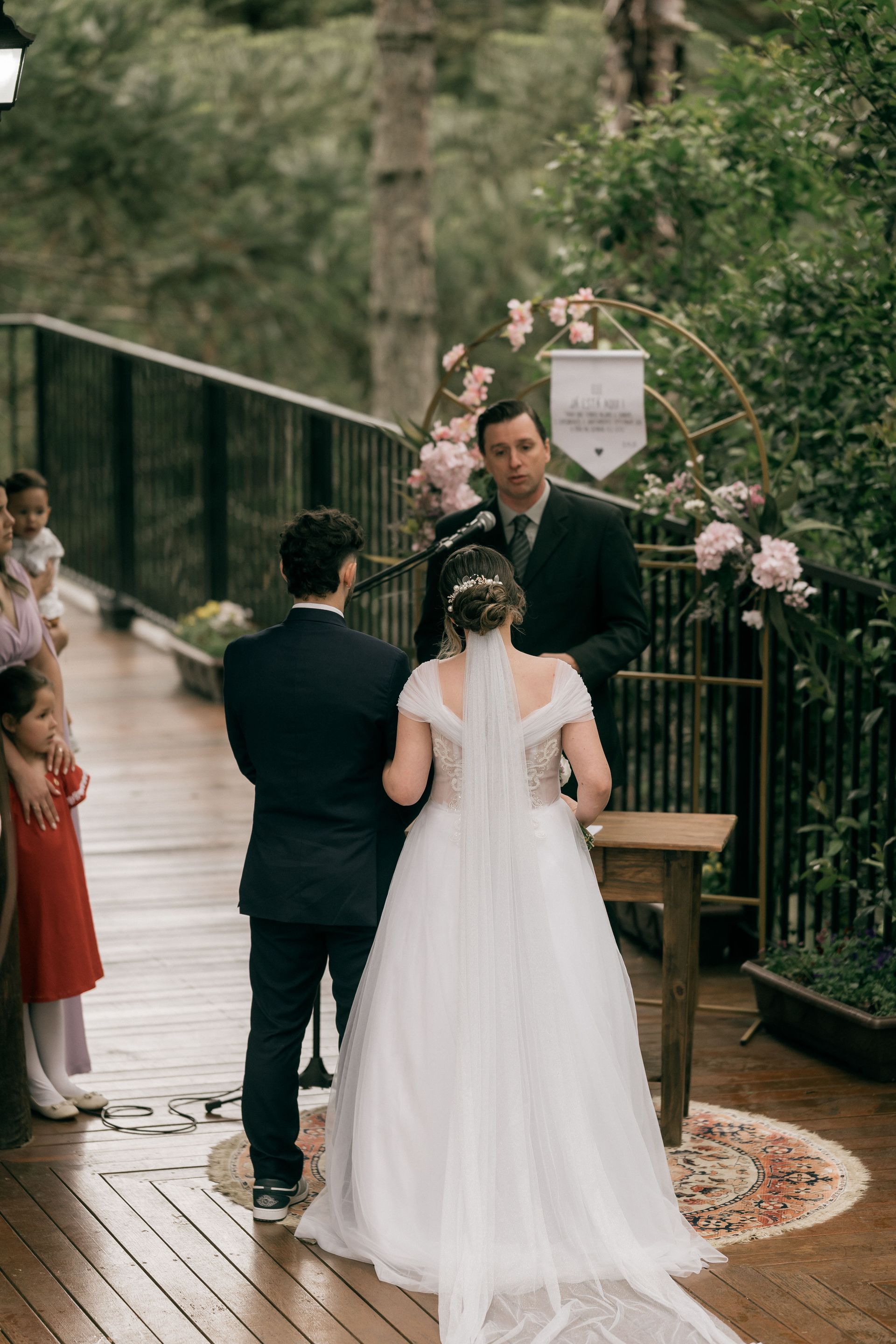
Can marriage stop deportation proceedings? Learn how marriage to a U.S. citizen or green card holder may affect removal proceedings and immigration options in the United States.

Can police search your phone during an arrest in North Carolina? Learn about warrant requirements, your constitutional rights, and how Herhusky Law Office, PLLC helps clients in Durham.

Failing the U.S. citizenship test does not necessarily end your path to naturalization. Learn what happens after a failed citizenship test and how Herhusky Law Office, PLLC can assist immigrants throughout the United States.
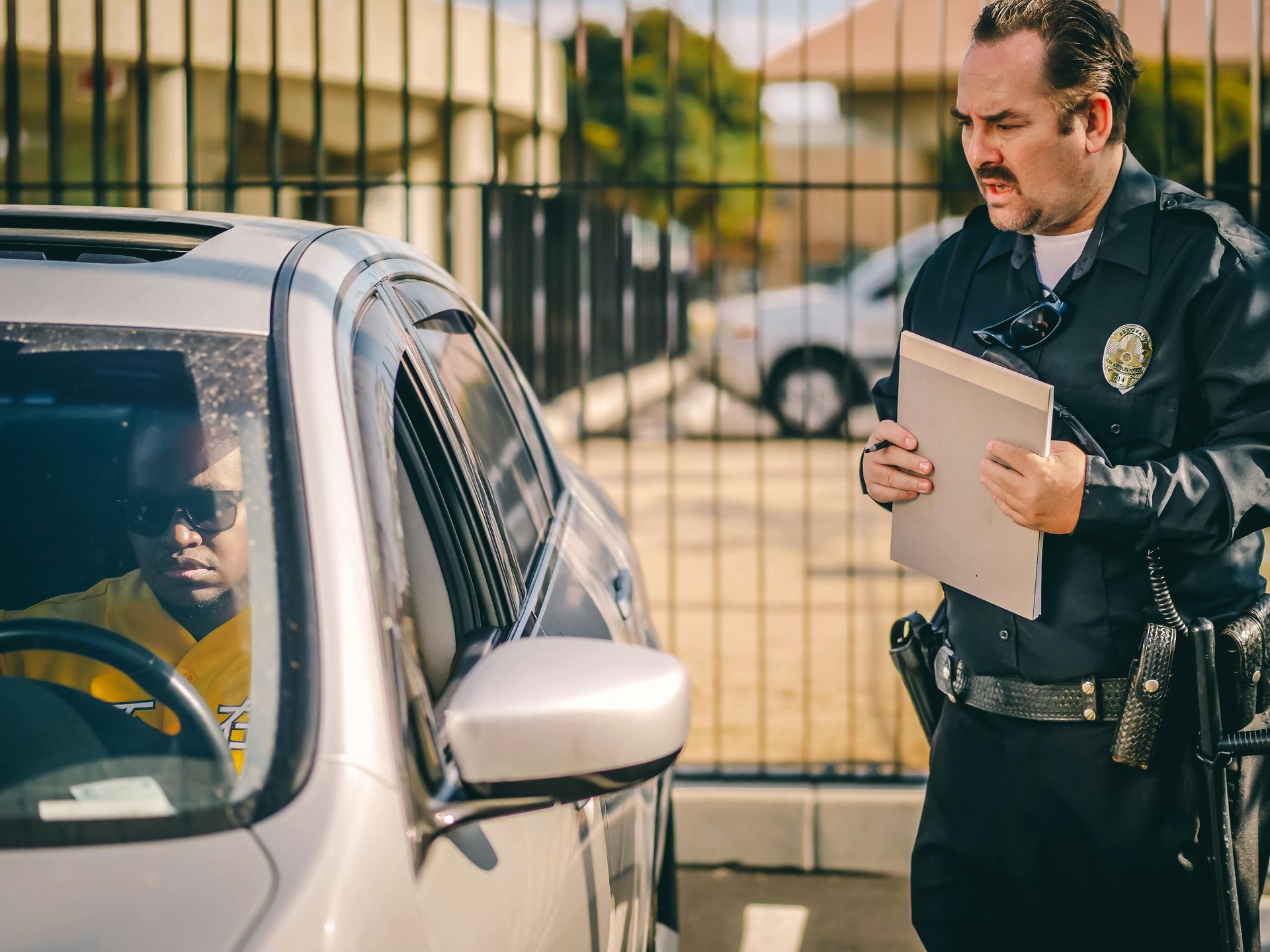
Learn about the consequences of a North Carolina DUI, including criminal penalties, license suspension, and long-term effects. Herhusky Law Office, PLLC provides legal assistance statewide.

Learn how to prepare for a naturalization interview, including documents to bring, test preparation tips, and what to expect. Herhusky Law Office, PLLC provides legal assistance to immigrants seeking U.S. citizenship.

Applying for lawful permanent residence is a significant step toward building your future in the United States, but the process isn’t the same for everyone. The two main options—adjustment of status and consular processing—offer distinct routes depending on whether you’re already in the country or living abroad. Each path comes with its own rules, forms, and timing requirements, and choosing the wrong one can lead to costly delays. Understanding how these options differ is key to setting realistic expectations and keeping your plans on track. Our attorneys at Herhusky Law Office, PLLC, help people in North Carolina understand the two main paths to permanent residence. We proudly serve Raleigh, North Carolina, and the surrounding areas of Durham, Greensboro, Fayetteville, Charlotte, Wilson, Wilmington, and beyond. Contact us today to schedule a consultation. Adjustment of Status in the United States Adjustment of status allows certain applicants to apply for a green card from within the country without having to travel abroad for an interview. You file with the government while remaining in North Carolina, attend biometrics, and later appear for a local interview if required. Many applicants value the ability to keep living, studying, and working in the same place while the case moves. A significant advantage of adjustment of status is the option to request work authorization and advance parole travel documents while the green card is pending. That can support employment and limited travel needs. Not everyone qualifies, though. Your eligibility depends on how you entered, whether you maintained status, and whether a visa number is available. Consular Processing From Outside the United States Consular processing places the interview at a U.S. consulate in your home country or country of residence. After petition approval and document collection, you attend a medical exam and an interview abroad. If approved, you enter with an immigrant visa and receive your green card after arrival. This is for applicants outside the country or those who don’t qualify for adjustment. Consular processing can move faster in some categories, especially when local consulates have shorter queues. It may also be required if your history makes an adjustment unavailable. The tradeoff is international travel and the need to remain abroad while the final steps are completed. Key Differences to Weigh Although both paths lead to the same goal, they feel different in daily life. The most important distinctions usually fall into a few practical buckets that affect family schedules and work plans: Processing location: Adjustment of status keeps you in North Carolina for biometrics and a possible local interview. Consular processing requires travel and an interview abroad before you can enter as a permanent resident. Work authorization while pending: Adjustment applicants can request a work permit during the wait, which may allow continued employment. Consular applicants generally can’t work in the United States until they enter with an immigrant visa. Travel during the process: Adjustment applicants need advance parole to travel and must return before it expires. Consular applicants travel for the interview and return only after visa issuance. Interview setting: Adjustment of status interviews are typically at a local government office. Consular interviews occur at a U.S. consulate, with procedures and scheduling set by that post. Processing time variability: Adjustment timing depends on local office backlogs and case type. Consular timing depends on the National Visa Center, medical exam availability, and consular appointment slots. When you line up these differences with your personal timeline, the better path often becomes clearer. Think about school calendars, work contracts, medical needs, and travel plans, since those realities drive what’s practical. Eligibility Checks for Each Path Before filing, it’s smart to confirm that you qualify for the route you prefer. A few early questions can prevent painful midstream changes and added costs: Current immigration status: Some categories allow adjustment even after a status lapse, while others don’t. Your last entry, visa type, and any overstays can affect eligibility. Bars and waivers: Past entries without inspection, unlawful presence, or certain criminal issues may create bars that require waivers. The availability of a waiver can steer you toward one route. Immediate relatives and priority dates: Spouses, parents, and unmarried children of U.S. citizens often face fewer quota backlogs. Preference categories depend on visa bulletin dates that control when you can file. Petition type and sponsorship: Family, employment, and humanitarian cases follow different rules. Sponsorship strength and financial documentation can shape which process fits better. History of misrepresentation: Prior statements on visa applications or at the border may trigger additional review. Knowing this early helps plan for evidence and interview questions. After you review these points, you’ll have a working picture of what’s possible. That foundation keeps you from wasting time on a path that doesn’t match your history. Timing Travel and Work Authorization Adjustment often appeals to people who want continuity. You can live in North Carolina during the process, request a work permit, and apply for advance parole if travel is necessary. The work permit won’t arrive overnight, so planning for a gap is wise. School schedules and caregiving needs often tip the scale toward staying put while the case moves. Consular processing can make sense if you’re already abroad or if your record makes adjustment tough. You’ll need to plan for the medical exam, gather documents, and appear for the interview. Some consulates schedule quickly. Others take longer, which affects return dates and employment plans. Common Pitfalls and Practical Tips Many delays come from avoidable filing issues. A few careful steps early can help you keep momentum and reduce stress while you wait: Entry and status documentation: Keep copies of all I-94 records, visas, and prior approvals so you can show lawful entry or eligibility for exceptions. Missing records can slow the case. Medical exam timing: Check current rules on when to complete the medical exam. Submitting it too early or too late can cause a request for evidence or an interview delay. Work and travel planning: Don’t assume you can travel or start a new job right away. Map out when a work permit or visa will likely arrive and plan backup coverage at work or home. Address updates and mail tracking: Government notices go to the last address on file. Set mail forwarding and track notices so you don’t miss biometrics or interview letters. Consular country logistics: For consular cases, confirm passport validity, local police certificates, and appointment booking procedures. Small local rules can cause big delays if overlooked. If you treat the process like a project with milestones, you’ll spot issues before they become roadblocks. A tidy file and a realistic calendar go a long way. Costs, Risks, and Case Strategy Both paths involve filing fees, medical exam costs, and time away from work or school. Adjustment may carry added costs for work and travel documents, while consular processing may require international travel and lodging. Comparing totals on the front end helps you prepare rather than react. Risk tolerance also matters. Some people prefer to remain local during review, especially when a child is in school or a job is settling in. Others value a single trip abroad to finish the process. Think about the quality of your evidence, the clarity of your eligibility, and whether any waivers are needed. The route that best matches those facts is usually the safer choice. Trusted Legal Guidance If you’d like a tailored plan that fits your life, reach out for a consultation so we can get you moving toward permanent residence with confidence. Herhusky Law Office, PLLC, can review your goals, history, and timing to help you choose between adjustment of status and consular processing. We’re based in Raleigh, North Carolina, and proudly serve clients here and in surrounding areas, including Durham, Greensboro, Fayetteville, Charlotte, Wilson, Wilmington, and beyond. Give us a call today to get started with a consultation.

Family means more than blood ties—it’s about love, commitment, and shared lives. For many families, that includes stepchildren who are cherished as their own. When immigration law comes into play, however, families often face uncertainty about whether stepchildren can be sponsored for lawful permanent residence through the family immigration process. The emotional weight of this question can be heavy, especially when separation affects a child’s stability and well-being. Parents want to bring their loved ones together under one roof without unnecessary legal barriers standing in the way. At Herhusky Law Office, PLLC, we know how important family unity is to our clients. Located in Raleigh, North Carolina, our firm works with families throughout the state, including Durham, Greensboro, Fayetteville, Charlotte, Wilson, Wilmington, and the greater North Carolina area, helping them understand their rights and options under U.S. immigration law. If you're wondering if stepchildren can be sponsored through family immigration, the answer depends on several legal factors—but help is available. Contact us today to discuss your family’s goals and explore the best path to bring your loved ones together. Defining the Legal Relationship Between Stepparents and Stepchildren The United States Citizenship and Immigration Services (USCIS) recognizes certain family relationships for immigration purposes, but not every bond qualifies. When it comes to stepchildren, the law provides a specific path—but only if the relationship meets key requirements. Under U.S. immigration law, a stepparent-stepchild relationship is recognized only if the marriage between the biological parent and stepparent took place before the child’s 18th birthday. This means that timing is critical. Even if a strong relationship exists between a stepparent and stepchild, USCIS won’t acknowledge it for immigration sponsorship unless this condition is met. If this requirement is satisfied, a U.S. citizen or lawful permanent resident may petition for their stepchild just as they would for a biological child. However, additional documentation is often needed to prove the relationship and the legitimacy of the marriage that created it. This legal foundation is the starting point for any successful family immigration petition involving stepchildren. Eligibility for Sponsorship Through Family Immigration Once a valid stepparent-stepchild relationship is established, the next step is determining eligibility for sponsorship. The U.S. immigration system categorizes sponsorship options based on the petitioner’s immigration status and the child’s circumstances, which is a key part of the family immigration process. Eligible petitioners include: U.S. citizens: They can sponsor unmarried stepchildren under 21 as “immediate relatives,” offering a direct path to a green card with minimal waiting times. Lawful permanent residents (green card holders): They can file for their unmarried stepchildren, but these petitions fall under the “family preference” categories, which may involve waiting for a visa to become available. It’s also important to consider the stepchild’s current location. If the child is already in the United States legally, they may apply for adjustment of status. If they’re outside the country, they’ll typically go through consular processing at a U.S. embassy or consulate. While these are the basic routes, the details of each case depend on factors like the child’s age, marital status, and country of residence. Families often benefit from legal support to avoid mistakes or missing documentation that could delay the processing of their case. Proving a Genuine Family Relationship USCIS places strong emphasis on verifying that every claimed relationship is genuine. This is especially important in stepfamily cases, where authorities scrutinize the authenticity of the marriage that created the stepparent-stepchild bond. To demonstrate a bona fide relationship, petitioners should be prepared to provide several types of evidence. Typical forms of proof include: Marriage certificate: Showing that the marriage between the biological parent and stepparent occurred before the child’s 18th birthday. Birth certificate: Establishing the child’s biological connection to the petitioning parent’s spouse. Joint documents: Such as leases, tax returns, photos, or correspondence showing an ongoing relationship between the stepparent and stepchild. Affidavits: Statements from family, friends, or community members who can attest to the authenticity of the family bond. While these documents can strengthen a case, every family’s situation is unique. Some may have limited documentation due to life circumstances, international moves, or other challenges. In such situations, presenting a well-organized and honest application becomes even more important. Clear, credible evidence of a genuine family relationship boosts USCIS approval chances. Families should collect all relevant records early to streamline the process. Filing the Immigration Petition Once eligibility is confirmed and the necessary documentation is gathered, the sponsoring parent must file Form I-130 (Petition for Alien Relative) with the USCIS. This form establishes the legal relationship between the petitioner and the child and is a critical step in the family immigration process. After filing, USCIS will review the petition to confirm that the relationship meets the requirements under immigration law. If the petition is approved, the next steps depend on whether the child is applying from inside or outside the United States. If the stepchild is in the U.S.: They may apply for adjustment of status using Form I-485. They’ll remain in the country while their case is processed, provided they maintain legal status. If the stepchild is abroad: The case is forwarded to the National Visa Center (NVC). The child will go through consular processing in their home country. Both processes involve submitting additional forms, paying fees, and providing supporting documents, and ultimately attending an interview. While it may seem like a long process, many families find peace of mind knowing their petition is progressing through official channels. Taking care to prepare accurate, complete paperwork from the start can save months of delay or requests for additional evidence. Common Challenges Families Face Even when all legal requirements are met, immigration petitions involving stepchildren can encounter unexpected obstacles. Awareness of these potential issues helps families prepare for them in advance and avoid delays in the family immigration process. Frequent challenges include: Marriage timing: If the marriage occurred after the child turned 18, USCIS won’t recognize the stepparent relationship. Documentation gaps: Missing or incomplete records can lead to requests for more evidence or even denial. Previous immigration violations: Overstays or unlawful entries can complicate a stepchild’s eligibility for adjustment of status. Age-out situations: Children approaching age 21 may lose their “child” status under immigration law, potentially requiring different petition options. When these situations arise, legal guidance can help families explore available solutions, such as the Child Status Protection Act (CSPA), which may allow some children to retain eligibility even after turning 21. Despite the hurdles, many stepfamilies successfully achieve sponsorship and reunification. With patience and preparation, it’s possible to overcome most of the barriers along the way. Exceptional Circumstances That May Affect Sponsorship Some stepchildren’s cases involve additional circumstances that influence how immigration authorities assess eligibility. While not every family will face these, they’re important to consider. Examples of special situations include: Previous adoptions: If the child was legally adopted, the process differs from stepchild sponsorship and requires specific legal criteria to be met. Deceased biological parents: If the biological parent who married the stepparent has passed away, the stepparent may still petition under certain conditions. Divorces and remarriages: If the marriage that created the step-relationship ends, the immigration case may be affected depending on when the divorce occurs. Military service: U.S. citizen service members may be eligible for expedited immigration processing for their family members. Each of these scenarios brings its own set of legal questions. Families should review them carefully before filing to prevent misunderstandings or delays. Ultimately, the goal is to demonstrate that the family relationship endures in good faith, even when circumstances change. Timeframes and Processing Expectations Processing times for family immigration petitions vary depending on several factors, including USCIS workload, the petitioner’s status, and whether the child is applying domestically or abroad. Typical timeframes include: Immediate relatives of U.S. citizens: Often processed faster since there’s no annual visa cap. Family preference cases: May take longer due to visa number limits in each category. In both cases, families should plan for several months to over a year before final approval. Consular processing abroad can add additional time due to interview scheduling and document verification. While waiting can be challenging, it’s essential to monitor case status through USCIS online tools and respond promptly to any official correspondence. Doing so helps keep the family immigration process moving forward without unnecessary delays. Patience and organization go a long way toward reaching a successful outcome. Benefits of Successful Stepchild Sponsorship When a family immigration petition for a stepchild is approved, the benefits extend far beyond legal status. The stepchild gains lawful permanent residency, which opens doors to stability, opportunity, and a sense of belonging. Key benefits include: Family unity: Allowing children to live with their parents and siblings under one household. Educational opportunities: Green card holders can attend schools and universities in the U.S., often with more affordable tuition rates. Employment authorization: Older children may obtain work permits once they meet eligibility requirements. Pathway to citizenship: Lawful permanent residency is the first step toward eventual U.S. citizenship. These advantages contribute not only to the child’s well-being but also to the family’s shared future. Bringing loved ones together under legal protection strengthens emotional and financial stability for everyone involved. Sponsorship isn’t just about paperwork—it’s about giving families the chance to thrive together. How Legal Guidance Helps Families Succeed While it’s possible to file a petition without legal assistance, we recommend that many families choose to work with an experienced immigration lawyer to reduce stress and avoid costly errors. Filing incorrect forms or failing to submit key evidence can result in significant delays or denials. An attorney can provide valuable support in several ways: How legal support assists families: Clarifying eligibility: Determining whether a child qualifies as a stepchild under immigration law. Preparing strong applications: Gathering documents and evidence to demonstrate a genuine family relationship. Addressing complications: Managing cases involving prior immigration issues, timing challenges, or blended family structures. Representing clients during interviews: Helping families feel prepared and confident when meeting with immigration officers. Families already have enough on their minds. Having reliable legal assistance can make the process smoother and less intimidating. When the goal is reuniting loved ones, taking informed steps can make all the difference. Contact an Experienced Immigration Attorney Reuniting with your stepchild is a deeply personal goal. At Herhusky Law Office, PLLC, we help families across Raleigh, Durham, Greensboro, Fayetteville, Charlotte, Wilson, Wilmington, and the state of North Carolina undergo the family immigration process. We combine legal guidance with compassionate support to explore all available options. Contact us today to discuss your case and take the first step toward keeping your family together.
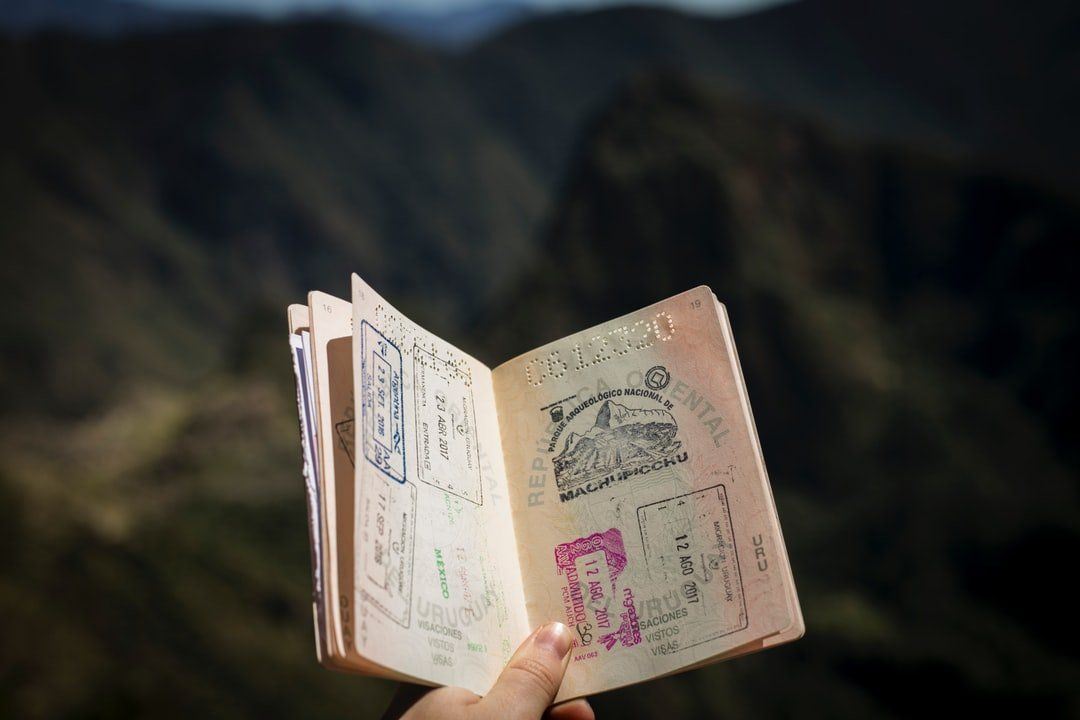
Applying for a K-1 fiancé(e) visa can feel overwhelming. Many couples are filled with hope and excitement for their future together, but they often find themselves caught in frustrating delays. These hold-ups can stretch the visa process by months or longer. If you’ve already been waiting for approval, the last thing you want is to lose even more time over avoidable mistakes. At Herhusky Law Office, PLLC, we’ve worked with countless couples who face these struggles. We understand the importance of families being together without unnecessary obstacles. Located in Raleigh, North Carolina, our firm serves communities across the Raleigh area, including Raleigh, Durham, Greensboro, Fayetteville, Charlotte, Wilson, Wilmington, greater North Carolina, and beyond. We guide clients through every step of the K-1 visa process and help them sidestep common errors. If you’re preparing your application, or if you’ve hit a snag, we’re here to help you move forward with confidence. Contact us today to discuss your case with an experienced attorney. Missing Or Incomplete Documentation One of the most common reasons for delays is missing paperwork. The U.S. Citizenship and Immigration Services (USCIS) requires a wide range of documents, and even a single missing page can stop your application in its tracks. Missing or incomplete records almost always result in a Request for Evidence (RFE). Frequent missing documents include: Proof of citizenship: The U.S. petitioner must provide proof such as a birth certificate, passport, or naturalization certificate. Proof of relationship: Photos, chat records, travel receipts, and affidavits can demonstrate a genuine relationship. Completed forms: Every form must be signed and dated, with all required fields completed. Financial records: Evidence of the U.S. petitioner’s income is essential to show they can support their fiancé(e). Taking the time to review your file carefully before submitting it can prevent weeks or even months of delays. Couples who double-check their paperwork often find mistakes they didn’t realize they made. By working with legal counsel, you’ll have someone to guide you in gathering all of the documents needed the first time. Providing Incorrect Information Accuracy is critical throughout the visa process. Even minor errors can raise suspicion or prompt a request for additional information. Common mistakes include misspelling names, providing inconsistent addresses, or confusing dates. These mistakes may seem minor at first, but they can create red flags that complicate your case. For example, if your address history doesn’t match your travel records, USCIS may send a Request for Evidence (RFE). These requests can cause significant delays while you gather the missing information. Worse, if the error appears intentional, it could trigger further scrutiny. In some cases, inconsistencies can even make USCIS question the legitimacy of the relationship. Before filing, carefully review every form multiple times. Make sure all details match the supporting documents exactly. This level of precision can save you time and stress in the long run. Having another person review your application can also help you spot mistakes. Double-checking now is far easier than trying to correct errors after they’ve caused delays. Submitting Poor Quality Evidence Of The Relationship The government needs to see proof that your relationship is real. Submitting weak or limited evidence can slow down the process. Couples sometimes underestimate the level of detail USCIS expects. Stronger submissions give officers a clearer picture of your genuine commitment. Examples of strong relationship evidence include: Photos together: Include pictures from different trips, family gatherings, and special occasions. Travel records: Boarding passes, hotel receipts, and itineraries that show time spent together. Communication records: Screenshots of texts, emails, or call logs spanning your relationship. Affidavits: Letters from friends or family confirming the authenticity of your relationship. When you only provide a handful of photos or minimal communication records, USCIS may question whether your engagement is genuine. Offering thorough and varied evidence helps build a convincing case and reduces the chance of delay. By showing consistency across different types of proof, it’s much harder for USCIS to doubt the authenticity of your relationship. Failing To Meet Financial Requirements Another frequent issue isn’t providing enough proof of financial stability. The U.S. citizen petitioner must show that they meet income requirements to support their fiancé(e). Submitting incomplete financial information can result in significant delays. Without clear evidence, USCIS may doubt the petitioner’s ability to provide adequate support. Key financial documents may include: Tax returns: Recent federal tax filings. Pay stubs: Proof of current employment and income. Bank statements: Evidence of financial resources. Employment letters: Confirmation from an employer about ongoing work. When couples fail to prepare a comprehensive financial packet, they risk receiving an RFE. Partnering with legal counsel can help pinpoint the most compelling financial records to include, minimizing the likelihood of delays. Submitting multiple forms of financial proof often strengthens your application and reassures USCIS of your financial stability. Not Updating USCIS About Changes Life happens while your K-1 visa is pending. People move, switch jobs, or change phone numbers. If you don’t notify USCIS about these updates, you could miss important notices or interviews. Even small changes in your situation can affect how your case is processed. Staying organized and promptly reporting updates can prevent delays that might otherwise occur. Failing to update your contact details may result in denied applications simply because you never received a letter in the mail. Keep USCIS informed of any significant changes in your writing to make sure your application is progressing. Taking a proactive approach helps you avoid unnecessary setbacks during the visa process and keeps your case on track. Overlooking Past Immigration Or Legal Issues Any past immigration violations or criminal history must be disclosed. Some applicants try to hide these details, hoping they won’t be discovered. However, USCIS conducts thorough background checks. Failure to disclose past issues almost always leads to delays or denials. Being transparent from the beginning helps prevent complications. While past mistakes don’t automatically disqualify you, failing to address them honestly can make your case much harder. It’s better to be upfront and provide explanations or legal documentation that supports your application. Providing context for past issues demonstrates to USCIS that you’re willing to take responsibility and move forward in good faith. Ignoring Deadlines Or Requests For Evidence When USCIS sends an RFE, you have a limited timeframe to respond. Missing the deadline can result in a denial. Unfortunately, many couples misplace the letter or underestimate the time required to gather the requested documents. Staying organized and tracking deadlines carefully can prevent unnecessary delays and added stress. Always open USCIS mail immediately and take deadlines seriously. Responding quickly helps keep your application moving forward. If you’re not sure how to respond, legal counsel can guide you in preparing the strongest possible reply. Attending The Interview Unprepared The K-1 visa interview is a critical step. Both the U.S. citizen and foreign fiancé(e) must demonstrate that their relationship is genuine. Applicants who show up unprepared risk delays or denials. Being well-prepared also helps reduce anxiety and shows USCIS that your relationship is legitimate. Ways to prepare for the interview include: Reviewing your application: Make sure both partners are familiar with all submitted details. Practicing questions: Expect inquiries about your relationship history, family, and wedding plans. Bringing evidence: Carry updated photos, receipts, and communication logs. Staying calm and honest: Nervousness is natural, but honesty is essential. Couples who take time to prepare thoroughly often move through this step smoothly, avoiding the setbacks that come with additional questioning or follow-up requests. Being organized and well-rehearsed gives officers confidence in your application. Preparation also minimizes the likelihood of being asked for additional documents or explanations, which can prolong the visa process. Contact an Experienced Immigration Lawyer Today Delays in the K-1 visa process can feel devastating when you’re eager to build a life with your fiancé(e). Fortunately, most delays are avoidable with careful preparation, thorough documentation, and timely responses. By avoiding the mistakes outlined above, you’ll improve your chances of moving forward without setbacks. At Herhusky Law Office, PLLC, we serve clients throughout Raleigh, Durham, Greensboro, Fayetteville, Charlotte, Wilson, Wilmington, and the surrounding areas of North Carolina, helping them pursue their K-1 visas with care and diligence. If you’re concerned about mistakes slowing down your application, reach out to us today to get started on your K-1 visa case.

The United States immigration process has always been complicated and time-consuming, but in 2025, applicants face new challenges and opportunities that affect processing times. Whether you’re seeking a family-based visa, an employment-based green card, or naturalization, understanding the realistic timelines is essential for proper planning. At Herhusky Law Office, PLLC, in Graham and Apex, North Carolina, we help clients manage the immigration process and develop realistic expectations of the expected timeline. We serve Raleigh, Durham, Greensboro, Fayetteville, Charlotte, Wilson, Wilmington, greater North Carolina, and beyond. Here, we’ll break down how long the process really takes in 2025 and the factors that influence it. To discuss your situation, contact our firm today. Why Immigration Timelines Vary No two immigration cases are exactly alike. Applicants are often surprised to learn that even people applying for the same type of visa can experience very different timelines. Processing times can range from a few months to several years, depending on factors such as the type of immigration benefit, the applicant’s country of origin, agency workload, and changes in policies. With these variables in mind, let’s examine the most common pathways and their estimated timelines in 2025. Understanding these differences helps applicants set realistic expectations and avoid unnecessary frustration. By looking at each pathway individually, it becomes easier to see how long immigration may take in specific circumstances. Family-Based Immigration Timelines in 2025 Family reunification remains the cornerstone of the U.S. immigration system. The timeline depends heavily on whether the applicant is considered an “immediate relative” of a U.S. citizen or falls into a family preference category. This distinction is crucial, as immediate relatives face no annual visa limits, while preference categories are subject to long waiting lists. Immediate Relatives (Spouses, Parents, and Unmarried Children Under 21) For many families, the immediate relative category offers one of the fastest ways to bring loved ones to the United States. Unlike other family-based categories, there are no annual visa limits, which significantly reduces waiting times. Still, applicants must go through multiple steps in the process, each with its own timeline, such as the following: USCIS Petition (Form I-130): Six to 12 months National Visa Center and consular processing: Six to 10 months Adjustment of status (if inside the U.S.): Eight to 14 months The total estimated time in these cases is approximately 1.5 years to 2.5 years. Immediate relatives generally enjoy faster processing because there are no numerical caps on visas for this category. However, background checks, biometrics, and interview scheduling can extend the wait, pushing the timeline beyond the average range. Family Preference Categories These categories include siblings of U.S. citizens, married adult children, and permanent residents petitioning for their spouses or children. Due to annual visa caps, many applicants face years of waiting. The length of the backlog often depends on both the applicant’s relationship to the sponsor and their country of origin: F1 (unmarried adult children of U.S. citizens): Seven to nine years F2A (spouses and children of permanent residents): Two to three years F2B (unmarried adult children of permanent residents): Six to eight years F3 (married children of U.S. citizens): 13 to 15 years F4 (siblings of U.S. citizens): 15 to 20 years, depending on the applicant’s country These long waits underscore the need for families to plan ahead. Applicants from Mexico, India, and the Philippines often experience even longer timelines due to high demand. Because of these extended delays, many families explore alternative immigration options that may provide faster pathways to lawful status. Employment-Based Immigration Timelines in 2025 Employment-based immigration is another pathway that continues to draw skilled professionals, investors, and entrepreneurs to the U.S. The timeline varies widely based on the visa type. For many applicants, understanding these variables early on is key to setting realistic expectations and planning their career transitions. Temporary Work Visas Temporary work visas are often the first step for foreign nationals seeking to work in the United States. They allow individuals to gain valuable experience, contribute their skills to the U.S. economy, and, in some cases, transition later to permanent residency. Each visa type has its own eligibility requirements and processing timeline: H-1B visa (specialty occupations): Six to 10 months, with premium processing available for 15-day adjudication. L-1 visa (intra-company transfers): Three to six months. O-1 visa (individuals with extraordinary ability): Two to five months. These temporary visas provide relatively fast entry for skilled professionals but require employer sponsorship and strict compliance. Even a small mistake in filing can result in costly delays, so working with an experienced immigration attorney is strongly recommended. Visa holders must remain mindful of expiration dates and extension requirements to avoid falling out of status. Employment-Based Green Cards Employment-based permanent residency is divided into preference categories (EB-1, EB-2, EB-3, etc.), each with different processing times. The length of time it takes to secure one depends not only on the category but also on country-specific visa backlogs and the applicant’s qualifications. Consider the following: EB-1 (priority workers): One and a half to three years, faster for applicants from countries not subject to visa retrogression EB-2 (advanced degree professionals): Two to five years, but longer for applicants from India and China EB-3 (skilled workers and professionals): Four to seven years EB-5 (investor visa): Three to five years, although projects in rural or high-unemployment areas may be expedited The labor certification process (PERM), which requires employers to prove that no qualified U.S. worker is available for the position, adds significant time. In 2025, PERM processing alone can take eight to 14 months before applicants can even file for adjustment of status. Because of this, applicants are encouraged to begin the process as early as possible Refugees, Asylum, and Special Cases Humanitarian immigration cases are subject to fluctuating timelines depending on global events and U.S. policy priorities. Applicants often face uncertainty, as processing can be delayed by sudden changes in refugee quotas or asylum policies. Additionally, extensive security and background checks can add several months, or even years, to the overall timeline. Asylum Applicants seeking asylum face significant variability in processing times. Affirmative asylum cases filed directly with USCIS often have initial interviews scheduled two to five years after submission due to backlogs. Defensive asylum cases, which occur when individuals are in removal proceedings, can stretch even longer, sometimes exceeding five to seven years. Refugees Refugee resettlement programs generally take between 18 and 30 months from application to arrival in the United States. During this time, applicants undergo extensive security checks, medical screenings, and background investigations to make sure of eligibility. These steps, while necessary for safety and compliance, contribute to the length of the overall process. Special Programs Certain humanitarian parole options or Temporary Protected Status (TPS) designations can allow for faster entry into the U.S. than other immigration pathways. However, these programs often require periodic renewals and don’t automatically lead to permanent residency. Applicants must understand the limitations and plan accordingly to maintain lawful status. Factors That Can Speed Up (or Slow Down) Immigration Cases Several elements directly affect how long immigration takes in practice. Even applicants with strong cases can experience unexpected delays due to procedural requirements or external factors beyond their control. Being aware of these potential obstacles helps applicants plan more effectively and manage their expectations. Consider the following: Request for evidence (RFE): If USCIS requires more documentation, applicants may face delays of three to six months or more. Country of chargeability: Applicants from high-demand countries face longer visa bulletin backlogs. Administrative processing: Security checks can add months or even years, particularly for applicants with common names or from regions flagged for national security concerns. Policy shifts: Executive orders, legislation, or updated processing guidelines may speed up or stall cases. For example, digitization efforts in 2025 are expected to streamline some forms, but initial rollouts can cause temporary slowdowns. Understanding these factors can help applicants avoid common pitfalls and stay proactive throughout the process. Working with an experienced immigration attorney is essential in 2025. To discuss your specific situation, contact Herhusky Law Office, PLLC, today. Overall, strategic planning and patience are key to managing the complications of the U.S. immigration system. By taking proactive measures, applicants can maintain control over their cases and reduce unnecessary stress. Timely action and attention to detail often result in faster processing times. Ultimately, working strategically with guidance from qualified professionals maximizes the chances of a successful outcome. Contact an Immigration Attorney Today How long does the immigration process really take in 2025? The answer depends on the type of application, the applicant’s country of origin, and the government’s processing capacity. Some visas may be approved in less than a year, while others require decades of waiting. The best course of action is to prepare thoroughly, file early, and seek professional guidance. At Herhusky Law Office, PLLC, we help clients throughout Raleigh, Durham, Greensboro, Fayetteville, Charlotte, Wilson, Wilmington, greater North Carolina, and beyond. With the right strategy and preparation, applicants can position themselves for success, even in a system as complicated and ever-changing as the one in 2025. Contact us today.